Chargebacks sting twice. First you lose the sale and whatever product or service you already delivered. Then you lose the disputed amount, pay a chargeback fee on top, and watch your ratio tick up. For a subscription or recurring-billing brand that a mainstream processor already treats as high-risk, that ratio is the quiet number that decides whether your account stays open. Cross the wrong line and you are no longer fighting one dispute, you are shopping for a new merchant account with a black mark following you around.
The good news: most chargebacks are preventable, and the fixes are practical. Here is the step-by-step playbook we walk merchants through, in plain language, with no acronym soup.
Why chargebacks hit high-risk businesses harder
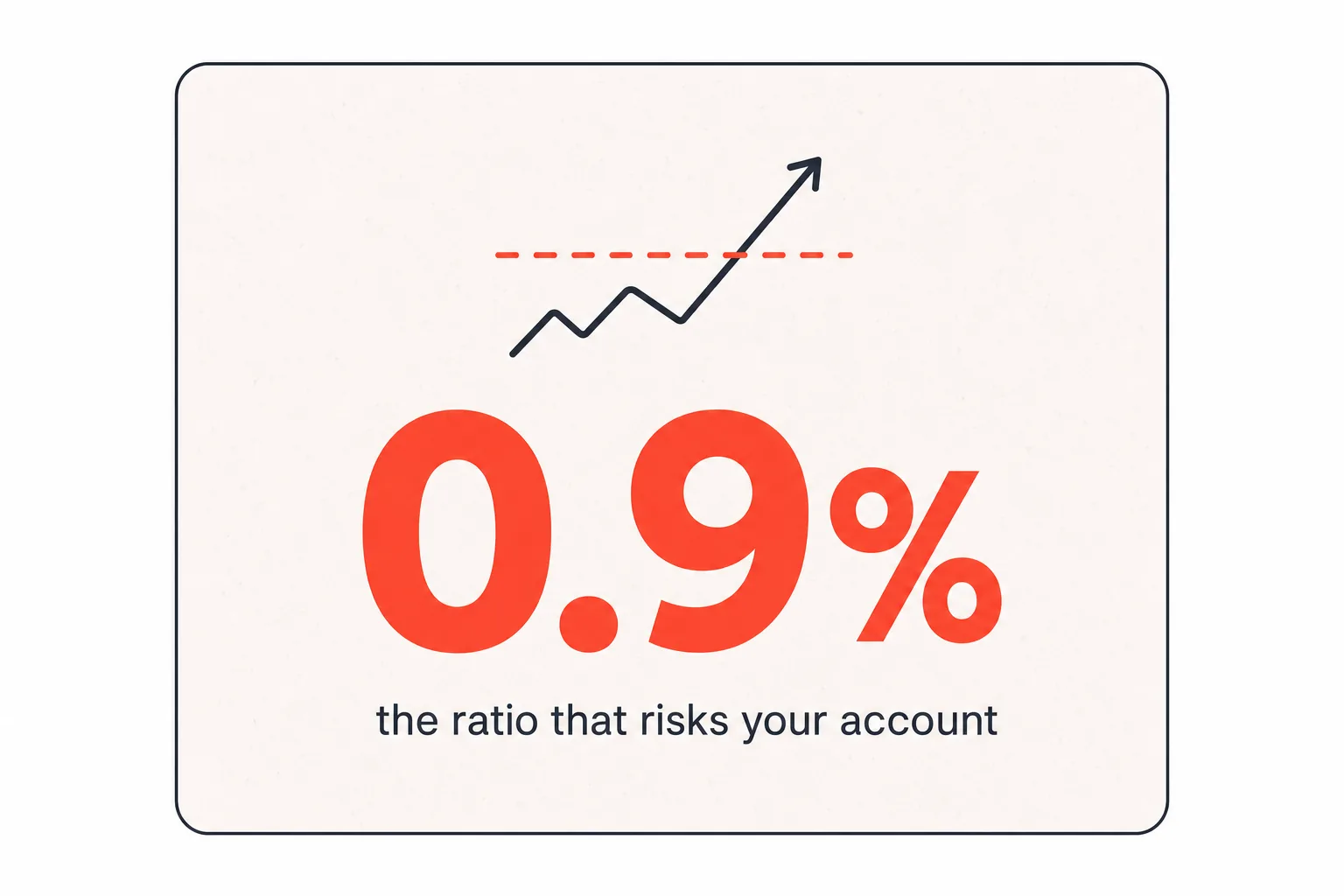
Every merchant has a chargeback ratio: roughly, the number of chargebacks you get in a month divided by the number of transactions you run. Card networks watch that ratio, and they watch high-risk categories (nutraceuticals, wellness subscriptions, telehealth, and similar) more closely because those categories tend to see more disputes to begin with.
When your ratio climbs past a card-brand threshold, you can be placed into a monitoring program. That usually means extra per-chargeback fines, a required remediation plan, and a real risk of termination if the number does not come down. Get terminated for excessive chargebacks and your business can land on an industry watch list that acquirers check before approving anyone, which makes your next account far harder to open. That is what people mean when they say a business has “high chargeback risk”: the account itself is on the line, not just the individual sale.
If you are still in the application stage, a big part of surviving this starts before you ever process a payment. It is worth understanding how underwriters see you and how to reduce your risk classification before you apply.
One thing customers do not always realize: they have a legal right to dispute charges they believe are wrong. The Federal Trade Commission explains the billing-error process cardholders follow, and understanding it helps you see why airtight records matter so much.
When people say a business has high chargeback risk, they mean the account itself is on the line, not just the individual sale.
Know your enemy: the three types of chargebacks
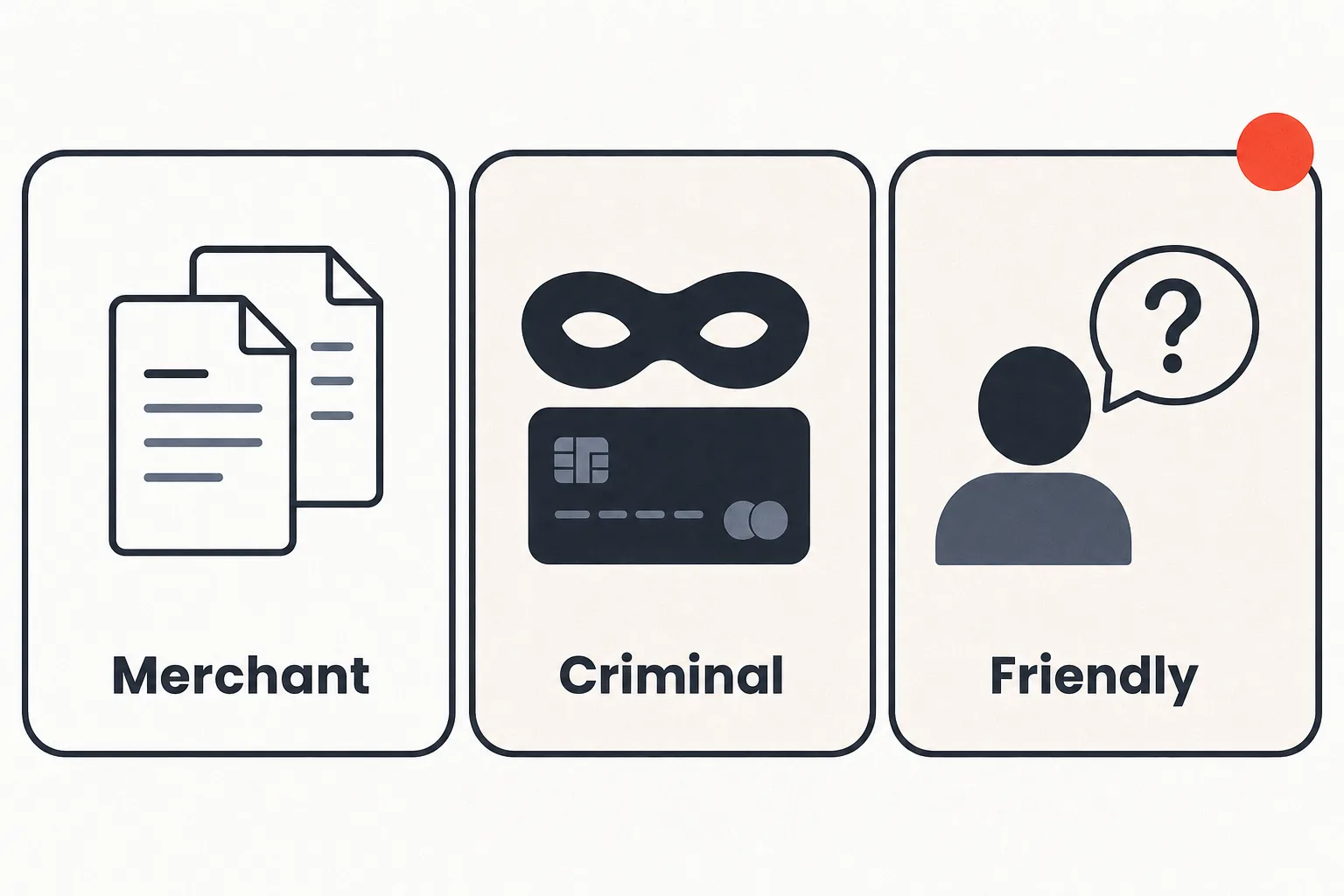
The fix depends on the cause, so start by sorting your disputes into three buckets.
Merchant error
This is the charge that never should have happened: a duplicate bill, the wrong amount, a rebill that fired after the customer canceled, or an order that shipped late or not at all. It is frustrating because it is entirely in your control, which also makes it the easiest to eliminate.
Criminal fraud
Someone used a stolen card. The real cardholder disputes a purchase they genuinely never made. This is where verification tools earn their keep, and card fraud remains a meaningful slice of overall payment losses, as the Federal Reserve’s payments research tracks year over year.
Friendly fraud
The customer did buy from you, then disputes the charge anyway: “I don’t recognize this,” “I forgot I signed up,” or “I meant to cancel.” For subscription and recurring-billing brands, this is usually the biggest bucket, and it is where the rest of this guide focuses.
| Type | What it is | Primary fix |
|---|---|---|
| Merchant error | Duplicate bill, wrong amount, a rebill after cancellation, or a late or missing order | Fully in your control, so eliminate at the source |
| Criminal fraud | Someone used a stolen card and the real cardholder disputes a purchase they never made | Verification tools (security code, address, 3-D Secure) |
| Friendly fraud | The customer bought, then disputes anyway (“I don’t recognize this,” “I forgot I signed up”) | Clear descriptor, consent, easy cancellation, fast replies |
How to reduce chargebacks, step by step
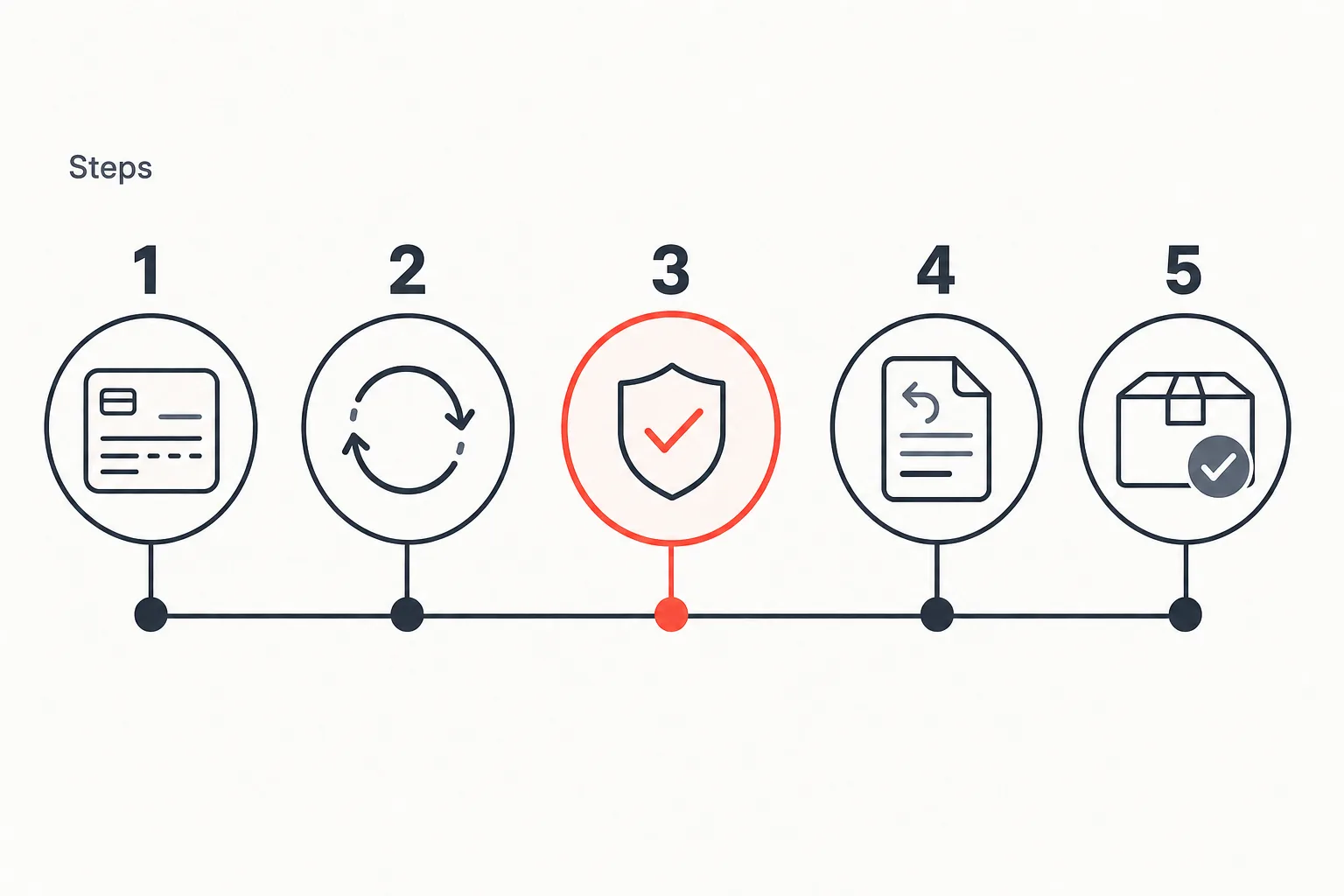
Make your billing descriptor unmistakable
The single biggest friendly-fraud fix for subscriptions is the billing descriptor, the short line that shows up on a customer’s card statement. If it reads like a random LLC name they have never heard of, they dispute it. Make it match the brand name on your website and, where your processor allows, add a customer-service phone number. Half the “I don’t recognize this charge” disputes vanish when people can actually recognize the charge.
01. Fix your billing descriptor Most chargebacks aren’t fraud. · 02. Add pre-dispute tools Ethoca (Mastercard) and Verifi (Visa-owned) sit between the customer …View on LinkedIn ↗
Get recurring-billing consent right
Before that first rebill, the customer should clearly agree to what they are signing up for: the price, how often it charges, and how to cancel. Send a reminder email a few days before each renewal, especially after a free trial ends. Then make cancellation genuinely easy. A hard-to-cancel flow does not save the subscription, it just converts a would-be cancellation into a chargeback, which costs you far more.
Verify the customer
Use the basic checks your gateway already offers: the security code on the back of the card, address verification, and the extra identity step your processor may call 3-D Secure (think of it as a quick “is this really you?” confirmation from the cardholder’s bank). These catch stolen-card fraud before it turns into a dispute. Handling card data securely is not optional in this industry, and the PCI Security Standards Council publishes the baseline every merchant is expected to meet.
Write refund and trial terms so they cannot be misread
Spell out your return window, your refund policy, and exactly when a trial converts to a paid plan, in plain words, on the checkout page and in the confirmation email. A customer who knows they can get a refund will ask you for one instead of calling their bank. A clear policy is one of the cheapest chargeback tools you have.
Deliver proof, and keep it
Save everything that shows the customer got what they paid for: shipment tracking, delivery confirmation, login or access timestamps for digital products, and the record of their signup consent. You may never need it. When you do, it is the difference between winning a dispute and eating it.
Answer fast
Most disputes are avoidable customer-service problems in disguise. When someone emails confused about a charge and hears nothing back for three days, the bank becomes their next call. Pick up the phone, reply to the email, and solve it directly. We built our whole approach around this: we would rather explain the situation and find a fix than let a small confusion snowball into a chargeback. That same mindset is what keeps a merchant account healthy, and it ties directly to how a high-risk account gets approved and stays approved, which comes down to presentation and risk control as much as your industry. It is worth reading how to improve approval odds for a high-risk merchant account.
Lower Friendly Fraud Risk – Reduce accidental disputes by creating complete transparency between checkout and statement. The clearer the …View on LinkedIn ↗
Set up tools that catch chargebacks before they hit
Beyond your own habits, a few automated safeguards do the watching for you: fraud filters that block risky orders, velocity checks that flag a card trying ten purchases in five minutes, and chargeback alert services that warn you about a dispute early enough to refund the customer before it becomes a formal chargeback.
Many merchants add fraud and chargeback prevention as a managed feature rather than running it all themselves. And if a single busy sales channel is driving most of your volume, a second merchant account can add redundancy and spread risk so one bad month does not put your entire operation on a monitoring program. These are optimizations, not requirements, and the honest version of this advice is that reducing risk usually pays for itself, since the cleanest way to lower your high-risk merchant account fees by reducing risk is to stop the chargebacks that raised those fees to begin with.
How to calculate and watch your chargeback ratio
The math is simple: take your chargebacks in a month and divide by your transactions in that month. If you had 8 chargebacks on 1,000 sales, that is 0.8 percent. Card brands generally want you well under 1 percent, and high-risk accounts often need to stay tighter than that. Check it monthly, not after you get a warning. Watching the trend is how you catch a problem while it is still a nuisance instead of a crisis, and it is the real answer to “how do I minimize chargebacks?”: you manage the number continuously, not once a quarter.
What to do when a chargeback still happens
Even with everything above, some disputes get through, and you can fight the ones that are wrong. This is called representment: you submit evidence to show the charge was legitimate. Gather your proof (the consent record, delivery confirmation, descriptor, communication history), respond before the deadline your processor gives you, and be selective. Fight the friendly-fraud cases where you have strong evidence, and accept the ones where you genuinely dropped the ball, because losing represented disputes still counts against you.
Timing matters more than most merchants expect. Cardholders generally have about 60 days from a statement to raise a billing error under the process the Federal Trade Commission describes, but card-network dispute windows run much longer. The often-cited 540-day rule refers to the outer limit, up to roughly 540 days from the original transaction, within which certain disputes can still be filed under card-brand rules. That is exactly why you keep records long after a sale closes.
Why your processor choice affects your chargeback survival
Here is the part the prevention checklists tend to skip: who you process with shapes whether you ever end up on a monitoring program. A high-risk-savvy processor sets up the right account structure, flags the card-brand rule you did not know applied to your vertical, helps you read the pattern behind rising disputes, and steps in early instead of after the fine arrives. A processor that just says “your ratio is too high, good luck” leaves you to figure it out alone, usually too late.
That is the difference we try to be. We answer the phone and the emails, we explain the “why” behind a rule instead of hiding behind it, and when there is a solution we work to find it. Helping a merchant stay out of trouble is a lot cheaper for everyone than helping them out of it.
Chargebacks remain one of the top reasons merchants are added to the MATCH List. Learn how dispute prevention strategies can reduce risk and …View on LinkedIn ↗