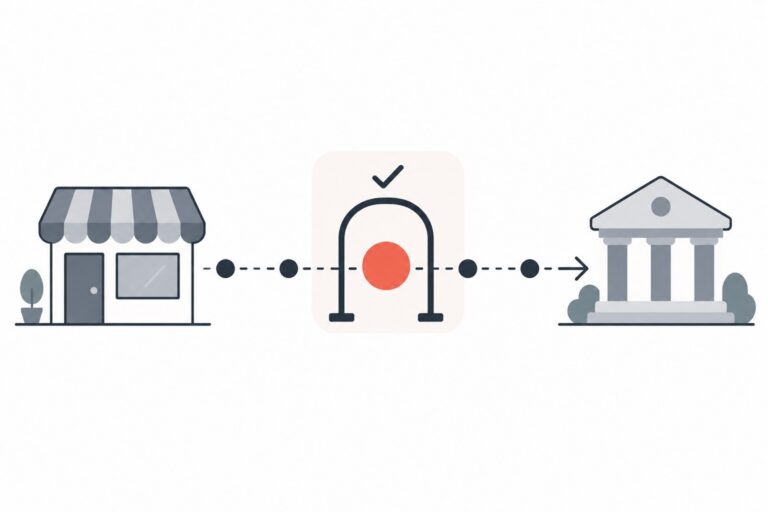
When a business starts taking larger-than-usual card payments, a transaction may be declined, delayed for review, or prompt questions from its processor. The cause can be a mismatch with the provider’s approved ticket size, volume, business model, or risk controls; a large charge alone does not prove that the account is misconfigured.
This guide explains what a high-ticket merchant account means, what providers may review, how pricing and reserves affect cash flow, and how to prepare before applying.
What Is a High Ticket Merchant Account?
A high-ticket merchant account is a card-processing arrangement reviewed with the merchant’s typical transaction size and overall exposure in mind. “High ticket” is a business description, not a universal account type or a standard cutoff used by every acquirer.
Ask whether the provider is offering an account underwritten for your business or a payment-facilitator arrangement, and who the contracting acquirer is. The setup, review process, permitted business activity, and account terms vary by provider; a “high-ticket” label by itself does not guarantee a dedicated merchant ID or that every large transaction will be approved.
If your typical sale is several thousand dollars, the practical question is whether your current provider has approved that ticket size, sales pattern, delivery timeline, and monthly volume, and what to do if those terms do not fit.
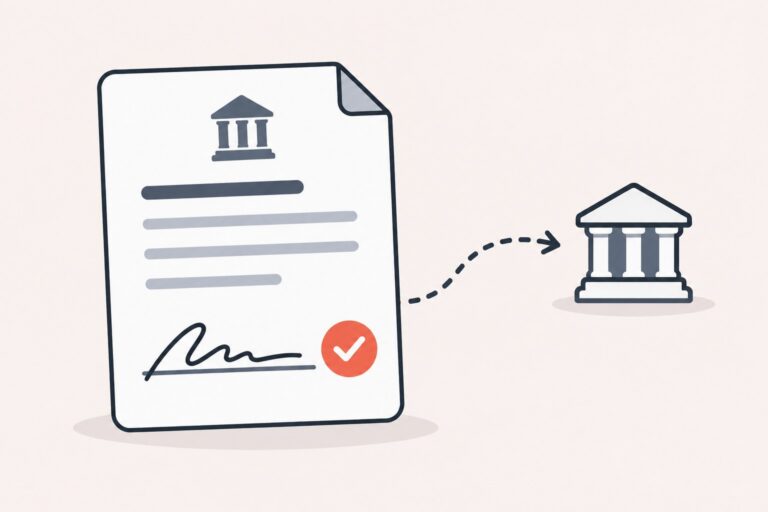
No provider can guarantee approval in advance. The acquirer decides whether to approve the application and sets any ticket limits, volume limits, funding terms, and reserve conditions. You can prepare a complete, accurate application and ask for those terms in writing.
Do You Need a Specialist High-Ticket Account?
Start by asking your current processor whether your account is approved for the largest expected transaction, monthly volume, sales channel, and fulfillment timeline. Request written confirmation of any limits, review triggers, and funding terms. If the provider cannot support the model or its terms do not fit, compare other acquirers using the same complete application and cost assumptions.
A “specialist” label is not proof that an account is suitable. Compare the contracting provider, underwriting process, permitted activity, pricing, reserves, chargeback support, and the process for requesting a limit review. Do not split transactions or omit business details to fit an advertised threshold.
What Counts as a High-Ticket Sale?
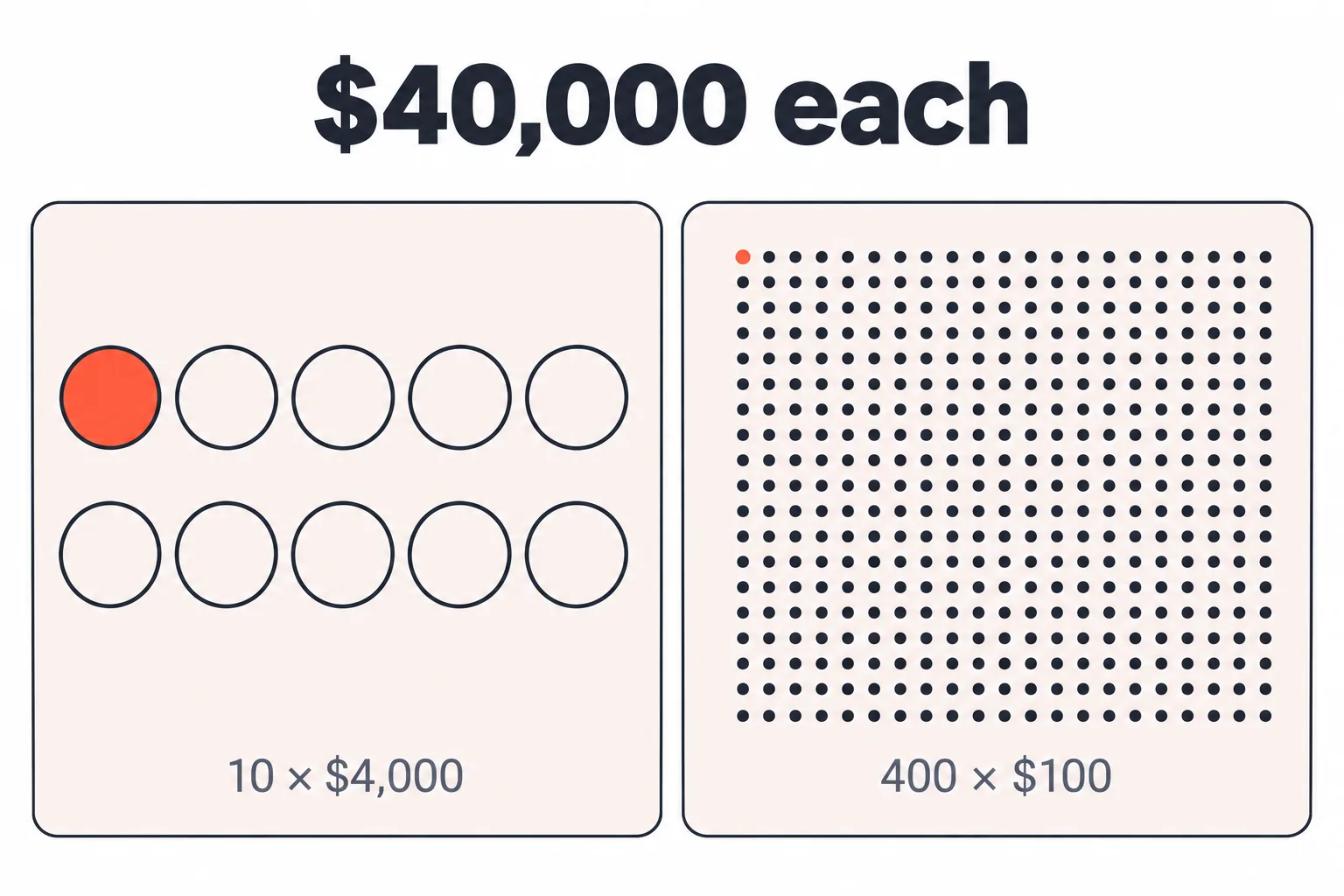
Underwriters may consider several parts of the business profile, including these two figures:
Average ticket is the typical amount of a sale; monthly volume is the total amount processed in a month. For example, ten $4,000 sales and 400 $100 sales both total $40,000, but they have different transaction patterns and per-dispute exposure. An acquirer may assess them differently based on the full application; neither figure alone determines the decision.
There is no industry-wide dollar amount that automatically makes a business “high ticket.” Ask prospective providers what ticket size and monthly volume they will underwrite for your business, and get any limits or review conditions in writing.
Examples can include:
- A professional-services engagement billed as a large deposit or project fee
- An annual subscription or prepaid service plan
- A coaching or training package paid upfront
- Equipment sold with installation or a service plan
- A business-to-business invoice paid by card
A change from monthly billing to an annual prepayment can materially change average ticket, refund exposure, and the time between payment and delivery. Tell your provider before making that change and confirm whether the existing terms cover it.
For a business whose industry or billing model needs specialized underwriting, compare the provider’s requirements with its high-risk merchant account options.
“High ticket” and “high risk” are related but different descriptions. A large transaction affects the amount at stake; underwriting may also consider the industry, sales channel, recurring billing, refund history, fulfillment timing, and other parts of the business model.
Why Large Transactions May Trigger a Review
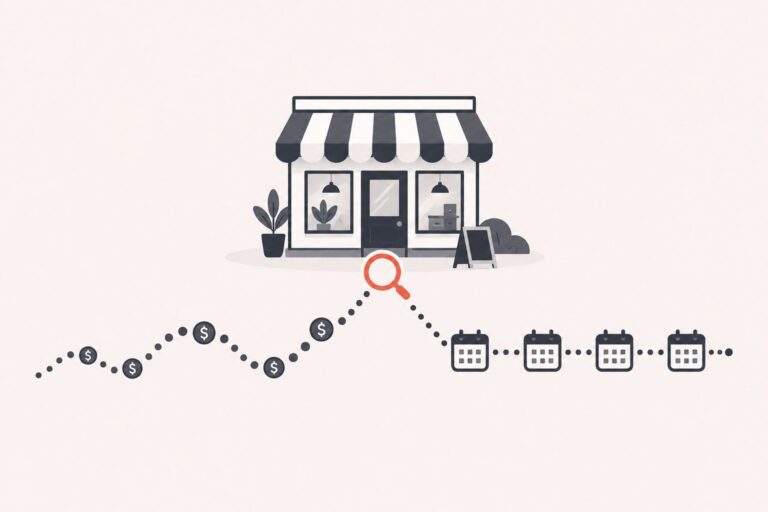
A transaction can differ from the pattern the provider has seen on the account. A large amount, a sudden volume change, or a new sales channel may lead to a decline or review under the provider’s controls. Ask what activity is approved for your account; a large payment is not automatically held.
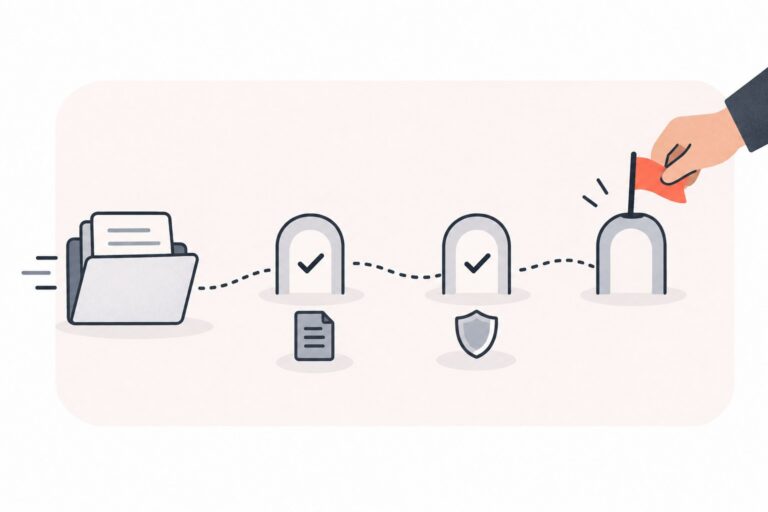
Providers may use automated checks as well as manual review. A review can result in a request for documents, a delayed settlement, or another action permitted by the agreement. The specific trigger and outcome are provider-dependent, so ask for the reason and the relevant account term.
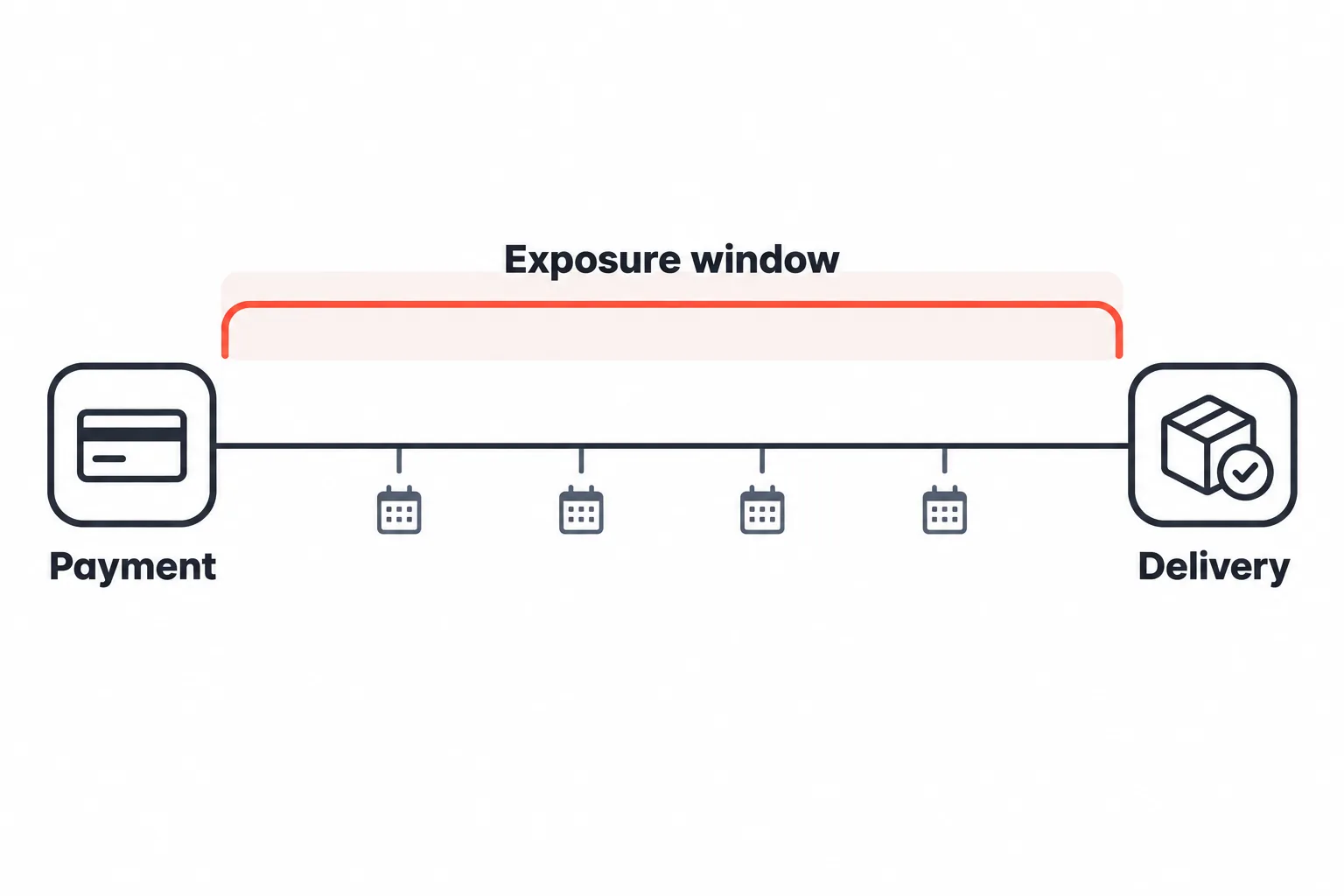
The time between payment and delivery matters. When customers pay well before receiving goods or services, an acquirer may consider the possibility of refunds, disputes, or non-delivery. Explain your fulfillment schedule and how you handle cancellations and refunds in the application.
Check the limits in your own approval documents. Some providers set ticket, volume, or other operating limits; others may use review triggers that are not stated as a simple cap. Do not assume a limit exists, or that none exists, until the provider confirms the terms in writing.
Industry and billing model can affect underwriting. A provider may ask for additional information about regulated products, recurring charges, advance payment, or fulfillment. Requirements vary by acquirer, card network, jurisdiction, and the specific business.
How Dispute Exposure Changes With Larger Tickets
At small tickets, disputes are an annoyance. At high tickets, one dispute can wipe out the profit from several good sales, plus the dispute fee, plus the hours you spend on it. Dollar exposure per dispute is the problem, not the count.
Dispute monitoring rules and calculations depend on the card network and program, and may change. A high dispute count or ratio can lead to monitoring, remediation requirements, fees, or other consequences under the applicable program and provider agreement. For Visa’s current acquirer monitoring framework, review the Visa Acquirer Monitoring Program fact sheet and ask your provider which measures apply to your account.
A large ticket can make each dispute costly even when the overall dispute count is low. Monitor both dispute count and dollar exposure, respond to customer issues promptly, and confirm program thresholds with your provider instead of relying on a general example.
Sudden Freezes, Holds, and Closures
If a provider reviews an account, possible actions depend on the agreement and the circumstances. It may request documents, delay or hold settlement, change terms, or terminate processing. The OCC’s merchant-processing handbook describes the risk-management role of acquiring banks and the risks in merchant processing.
For a business with large transactions, a delay can create a significant cash-flow gap while operating expenses continue. Keep a cash buffer, know how to contact your provider’s risk team, and ask in advance how it will notify you of reviews or changes.
Ask your provider which limits or review triggers apply and how it will notify you of a review. If you are considering another account, disclose the full setup to each provider and check the agreements, added costs, and reconciliation requirements first.
High Ticket Merchant Account Fees: What to Expect
Card-processing costs can include interchange, card-network assessments, and the provider’s markup, along with account, gateway, transaction, chargeback, or other contract fees. The exact pricing model and which elements can be negotiated depend on the provider and agreement.
1. Interchange, which varies with factors such as the card, transaction, and applicable network rules. 2. Network assessments, which may include percentage-based or other network fees. 3. The provider’s markup and other contract charges, which are part of the pricing discussion. Fees and negotiability depend on the offer.
A provider may quote a different price for a business with large tickets, a specialized industry, or advance fulfillment, but there is no universal “high-ticket rate.” Ask for all recurring and per-transaction fees, any reserve or funding terms, and a written estimate using your expected ticket size, volume, refund rate, and card mix.
For online sales, check whether the provider supports the gateway and checkout setup you need; see PPO’s online payment processing information.
Beyond the rate, budget for the line items on every statement: a monthly account fee, a gateway fee, a per-transaction fee, a chargeback fee per dispute, and any reserve holdback.
On large transactions, compare more than the quoted percentage. Funding schedule, reserve terms, ticket or volume limits, and additional fees can affect cash flow. For illustration, if an agreement held 10% of $200,000 monthly volume for six months, the rolling balance could reach about $120,000 once the reserve is at steady state; actual reserve terms vary and must come from the written offer.
To compare credit card processing rates and fees honestly, ask each provider for the effective rate on your actual numbers: your ticket size, your monthly volume, your card mix, your refund rate. Then ask for the reserve terms and caps in the same breath. Average credit card processing fees for merchants in general tell you very little about what your file will be priced at.
Rolling Reserves and How They Work
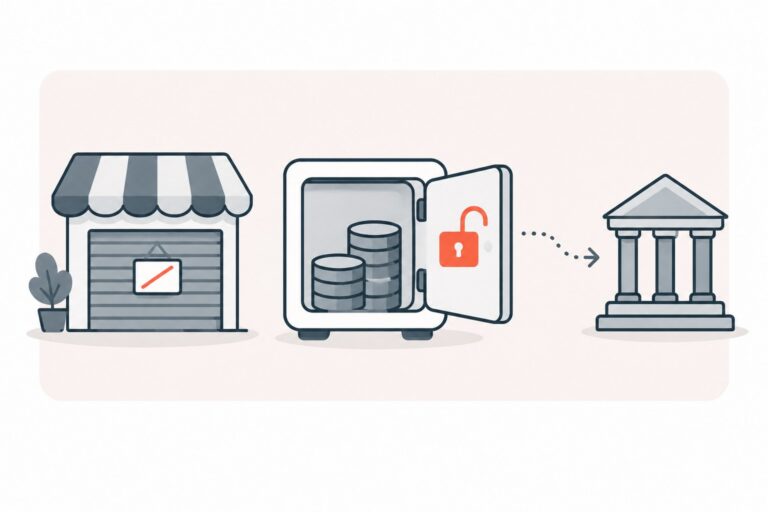
A rolling reserve is a portion of settlements withheld for a stated period and released on a rolling schedule, subject to the agreement and any outstanding liabilities.
Other shapes exist: an upfront reserve funded at signing, a capped reserve that stops growing at a fixed dollar amount, or simply delayed funding where your payout arrives later than the standard cycle.
An acquirer may use a reserve or delayed funding to manage potential refunds, disputes, or other liabilities. Whether a reserve is required, and its amount, duration, and release terms, depend on the acquirer’s assessment and contract.
Plan for the cash-flow shape before you sign. If you run $200,000 a month and 10% is held on a 180-day rolling basis, roughly $120,000 of your own money sits in reserve at steady state. That can be workable, or it can quietly starve your ad budget.
It is a working-capital decision, not a fee footnote.
A reserve reduction is not automatic. If the agreement allows review, ask what evidence and timing the acquirer will consider. Before signing, get the reserve percentage, hold period, release schedule, and any review conditions in the written agreement.
How to Get Approved: A Step-by-Step Walkthrough
Step 1: Pin down your real numbers. Average ticket, your realistic highest single ticket, monthly and annual volume, and your refund rate. Guessing here creates problems later.
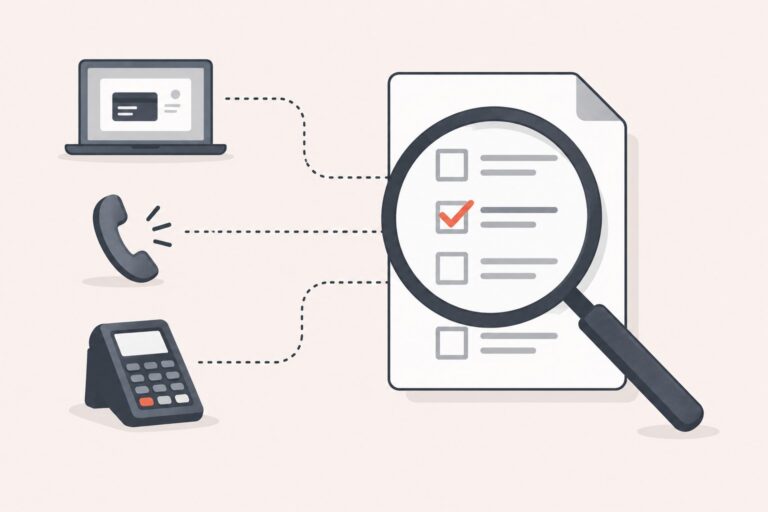
Step 2: Assemble the file before you apply. A complete, consistent application can reduce avoidable follow-up. Ask the provider for its current document checklist and whether it needs any additional items for your business model.
Step 3: Fix the website and policies first. Underwriters review your live site. If pricing, renewal terms, and refund policy do not match how you actually bill, the file bounces back.
Step 4: Confirm how the business will be classified. Describe what you sell and how you bill accurately. Ask the provider to confirm the merchant category code and permitted activity; do not choose a category just to improve the chance of approval.
Step 5: Prepare any industry-specific documents. Depending on the business and jurisdiction, an acquirer may request licenses, certifications, supplier information, or other records. Ask which items apply to your application and provide only accurate, current documentation.
Step 6: Answer follow-up questions directly. A decision by one acquirer does not determine what another will decide, but another application is not assured of approval. Ask what specifically drove the decision and whether accurate documentation or a change to the proposed billing or fulfillment model would support a future review.
Documents Underwriters Typically Ask For
- Recent processing statements if you have history, plus several months of bank statements
- Incorporation documents, ownership details, and government ID for signers
- A voided check or bank letter for the settlement account
- Product and pricing details, fulfillment and delivery timelines, and supplier or provider relationships
- Refund, cancellation, shipping, privacy, and terms pages that match your actual billing
- Chargeback history and how you handled it, including any prior account closure
Disclose previous processing relationships and account closures when asked. Inaccurate or incomplete application information can undermine the review and may conflict with the application terms.
Site and Billing Checklist Before You Apply
- Total program cost displayed clearly, including any recurring charges and when they renew
- A billing descriptor customers will recognize, with a working support phone number and email
- Address verification and security code checks turned on for card-not-present sales
- Ask your gateway or provider whether 3-D Secure authentication is supported and appropriate for your transactions; it can help authenticate some card-not-present payments, but does not prevent every dispute.
- Explicit consent capture for recurring or installment billing, with stored proof of what the customer agreed to
- A support channel that customers can reach, with a process for answering billing and cancellation questions
Set Your Average Ticket and Volume Honestly
Forecasting below your expected activity can create a mismatch later. Give the provider realistic estimates for average and highest ticket, monthly volume, seasonal peaks, and planned launches, then ask how changes should be reported.
Ask whether the proposed limits accommodate your expected peaks. Tell the provider about seasonal spikes, planned launches, or a move to annual prepayment before the change, and ask how to request a review.
If you expect an unusually large sale, contact the provider before charging the customer and ask what review or documentation is required. Do not assume a verbal response changes the account’s written terms.
If you request a limit review, provide updated processing history, dispute data, and delivery records. The acquirer decides whether to change the terms.
ACH and Bank Transfers for Large Tickets
PPO describes its ACH and check acceptance program for businesses considering bank-based payments. For some large payments, ACH may be an alternative to card acceptance. Compare the provider’s fees, authorization requirements, settlement timing, return rules, and customer experience before offering it. ACH debits follow different rules and a return process from card disputes; they still carry return, fraud, and compliance risks.
ACH timing depends on the payment type, submission window, bank participation, weekends and holidays, and your provider’s processing schedule. Same Day ACH has a per-payment limit; Nacha states that the limit is scheduled to increase from $1 million to $10 million on September 17, 2027. Check the current Same Day ACH limit and effective date and confirm cutoffs with your provider before promising a customer a settlement date.
ACH returns are handled under ACH rules and are distinct from card chargebacks. Return reasons and timeframes vary; keep clear authorization records, monitor returns, and ask your provider which return-rate requirements apply to your account.
For cross-border sales, ask your provider which payment methods and settlement currencies it supports in each target market. Availability, fees, customer familiarity, and conversion vary by country and provider; test options before presenting them as a better-converting method.
Choose the payment method based on customer preference, transaction size, provider rules, settlement timing, and the agreement you disclose to the customer.
Multiple Accounts and Intelligent Payment Routing
Some businesses consider more than one merchant account for operational or volume reasons. A second account is not guaranteed to keep payments running during a review or increase the amount an acquirer will approve. Disclose the full arrangement to each provider, confirm that contracts permit it, and account for added fees, underwriting, and reconciliation work.
Payment routing software can apply rules across supported processors or gateways, but approval and cost outcomes depend on provider capabilities, issuer decisions, and the routing configuration. Before adopting it, ask what integrations, transaction types, and reporting it supports and confirm the setup complies with each provider’s rules.
If you use more than one account, keep billing descriptors and customer communications clear and consistent where the provider setup allows. Make sure customers can identify the charge and know where to get support.
Keeping Disputes Down When Every Sale Is Large
Structure billing to reflect delivery. A deposit, installments, or milestone billing may align payments more closely with what the customer receives. Disclose the schedule clearly and confirm that the provider has approved the billing model.
Consider authentication for card-not-present sales. 3-D Secure may support authentication and, in qualifying circumstances, a liability shift for certain fraud disputes. Eligibility and outcomes depend on the network rules, transaction, and implementation; it does not resolve service or fulfillment disputes.
Communicate around the charge. Send an order confirmation, explain next steps, provide shipment or appointment updates, and remind customers before recurring billing where appropriate. Clear communication can help prevent avoidable billing confusion.
Make cancellation and refund terms easy to find. Apply the stated policy consistently and respond promptly to requests; do not rely on a dispute as a substitute for a clear refund process.
Keep evidence per sale. Keep consent records, delivery proof, and customer communications. Representment and payment recovery services only help when the evidence already exists. Nobody can reconstruct it after the fact.
Review disputes and refunds regularly. Track counts, dollar amounts, reasons, and trends, and ask your provider which network monitoring metrics apply to your business.
Warning Signs in a High Ticket Provider’s Offer
- “Instant approval” or “guaranteed approval” claims that do not explain underwriting, conditions, or the provider making the decision.
- Reserve terms that are verbal, vague, or missing from the agreement.
- The provider will not explain ticket limits, volume expectations, review triggers, funding timing, or how it communicates account changes.
- No named human to reach when funds are held, only a ticket form.
- Any pressure to classify the business or the product as something it is not. That trades a fast yes for a closure later, usually with funds held.
FAQs About High Ticket Merchant Account
Related readingBest Payment Processing for Nutraceutical BusinessesRead the guide →Frequently asked questions
Can I get a high-ticket merchant account with no processing history?
Is there a standard minimum transaction amount for a high-ticket merchant account?
Can my current processor approve one unusually large transaction?
How much are credit card fees on a high-ticket sale?
How long does an ACH transfer take for a large payment?
Can I split one large charge across multiple transactions?
What should I do if my account is placed under review during a launch?
Does a large ticket automatically mean my business is high risk?
Talk Through Your Numbers Before You Apply
Before you apply, write down your typical and highest ticket, expected monthly volume, billing schedule, and delivery timeline. These details help frame a conversation with a provider about whether its available terms may fit your business.
Premier Payments Online describes itself as a Pennsylvania-based registered ISO/MSP and agent working with acquiring and processing partners. Acquirers set approval decisions and account terms; PPO does not control an acquirer’s underwriting outcome.
If you are evaluating payment acceptance for larger transactions, contact Premier Payments Online to discuss your ticket size, volume, sales channel, delivery model, and processing history. Options, if available, depend on the application and the acquiring partner. Approval, limits, pricing, funding, and reserves are determined by the acquirer and depend on its review of the application.