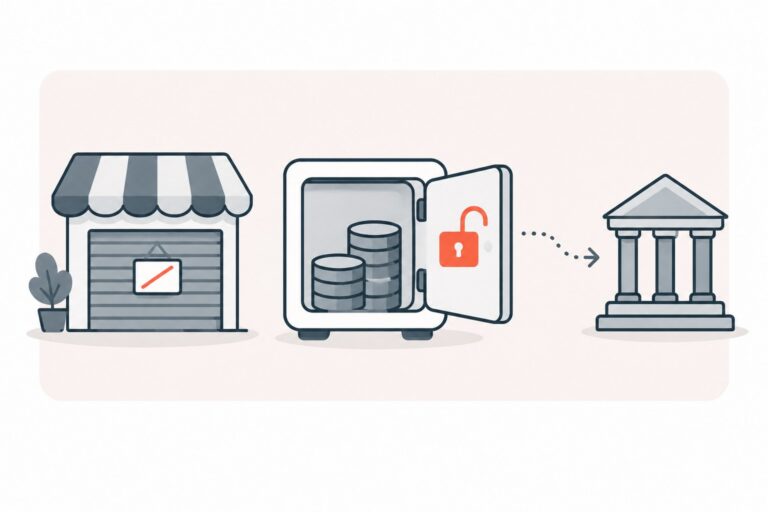
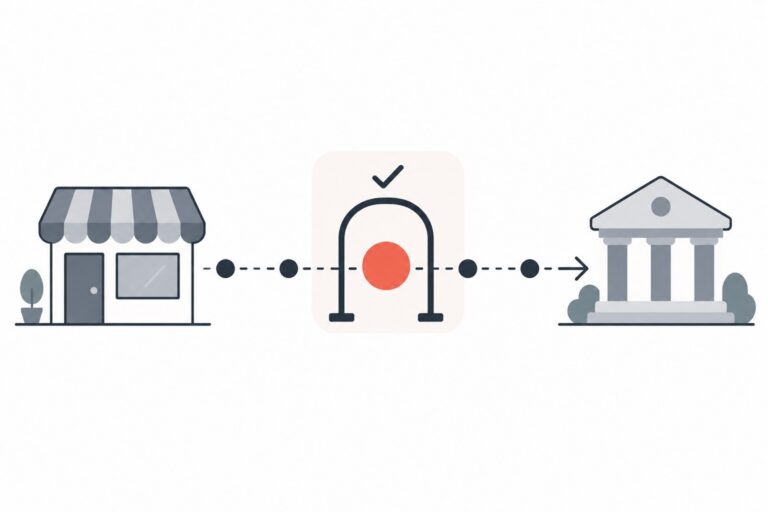
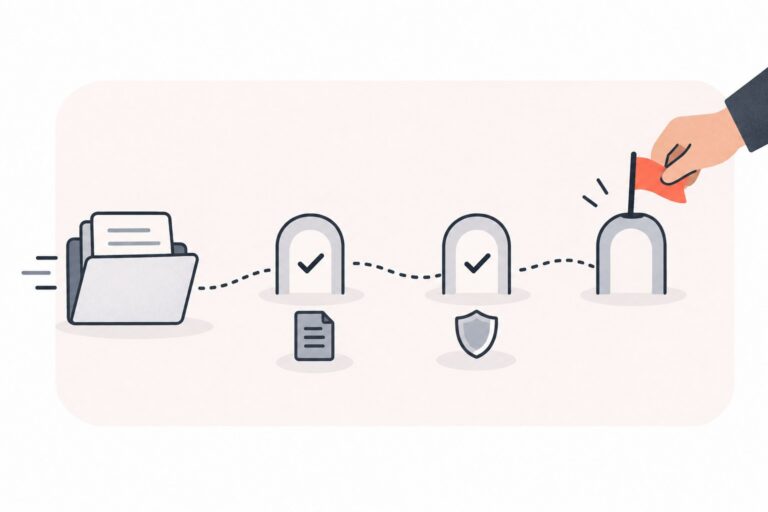
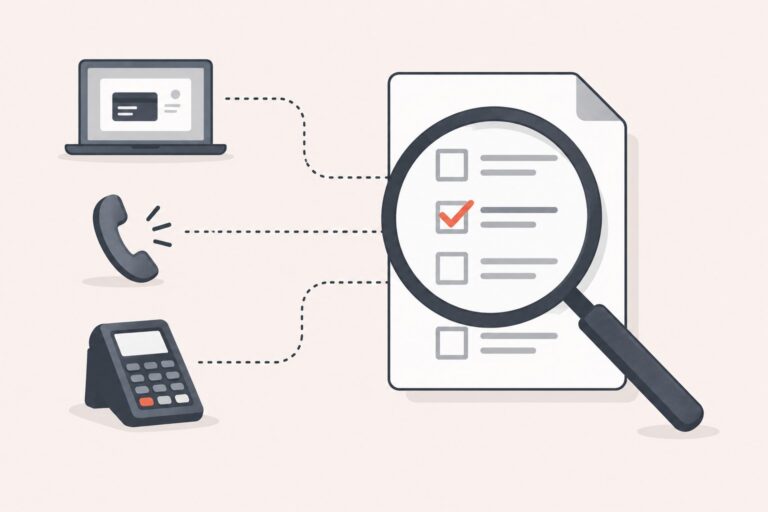
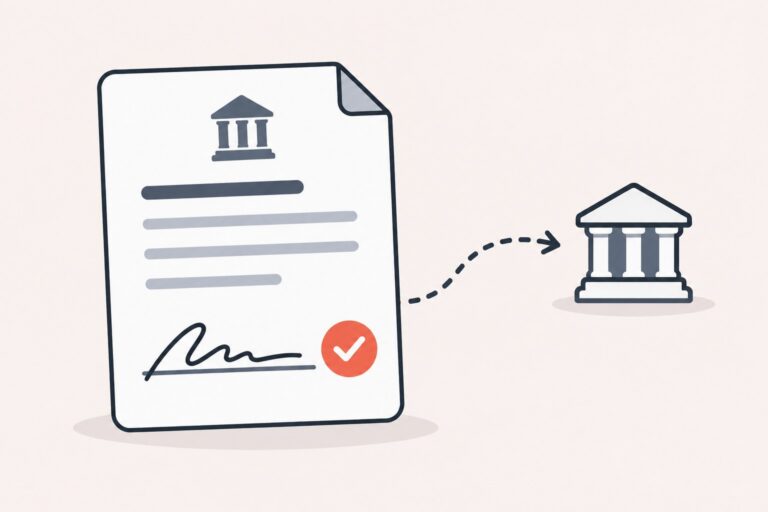
If you’re trying to cancel a credit card machine lease after closing your merchant account, first confirm whether the equipment lease is a separate agreement. The lessor and the terms you signed determine what options you have. You may be able to request a payoff, ask about a transfer, or review whether a specific contract or sales issue needs legal attention.
Why a terminal lease may continue after you close processing
An equipment lease may be separate from your merchant processing agreement. Check the named parties, term, cancellation clause, and payment obligations in the lease you signed. Some agreements are written to require payments through the term even if you stop using the terminal; the exact wording controls.
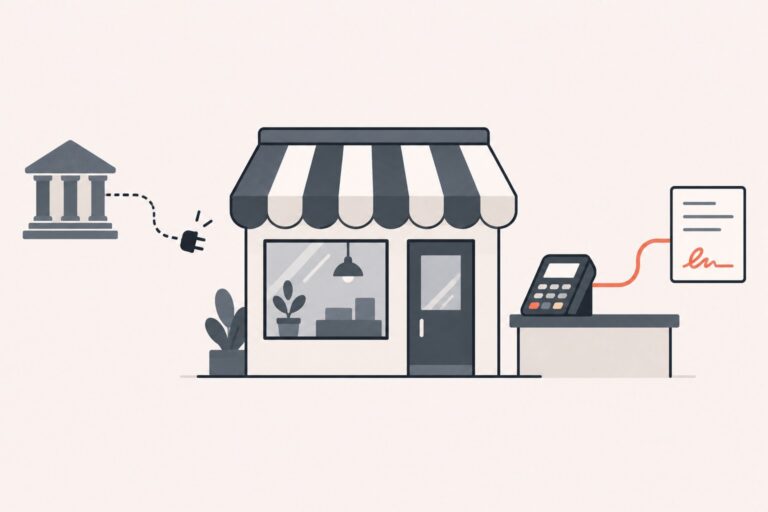
Before taking action, identify the company named as the lessor. It may be different from the processor or sales representative who arranged your merchant account. If the lease is with a separate company, closing the processing account may not close the lease.
Check whether you signed a personal guarantee. If you did, closing the business may not end the obligations covered by that guarantee. The agreement and applicable law determine how it applies.
A “non-cancellable” clause may mean that payments continue even if you stop using the equipment. It does not, by itself, explain every payoff amount or legal option. Read the clause and ask the lessor for a written payoff figure.
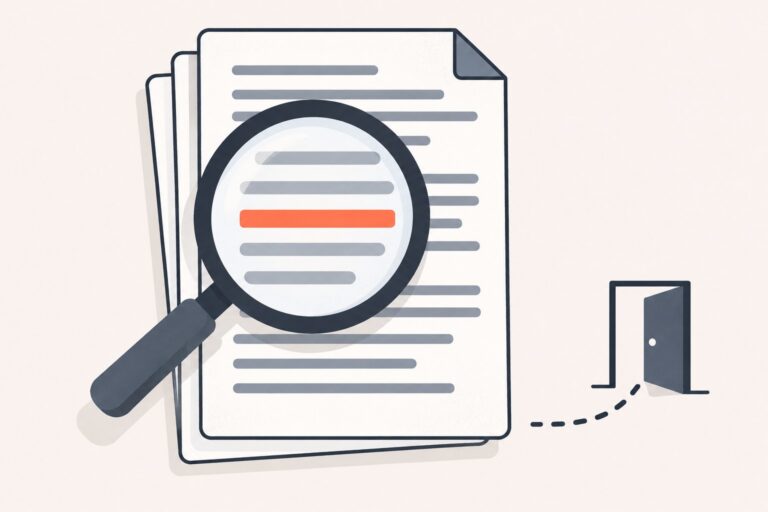
Step 1: Find the paperwork and read four specific things
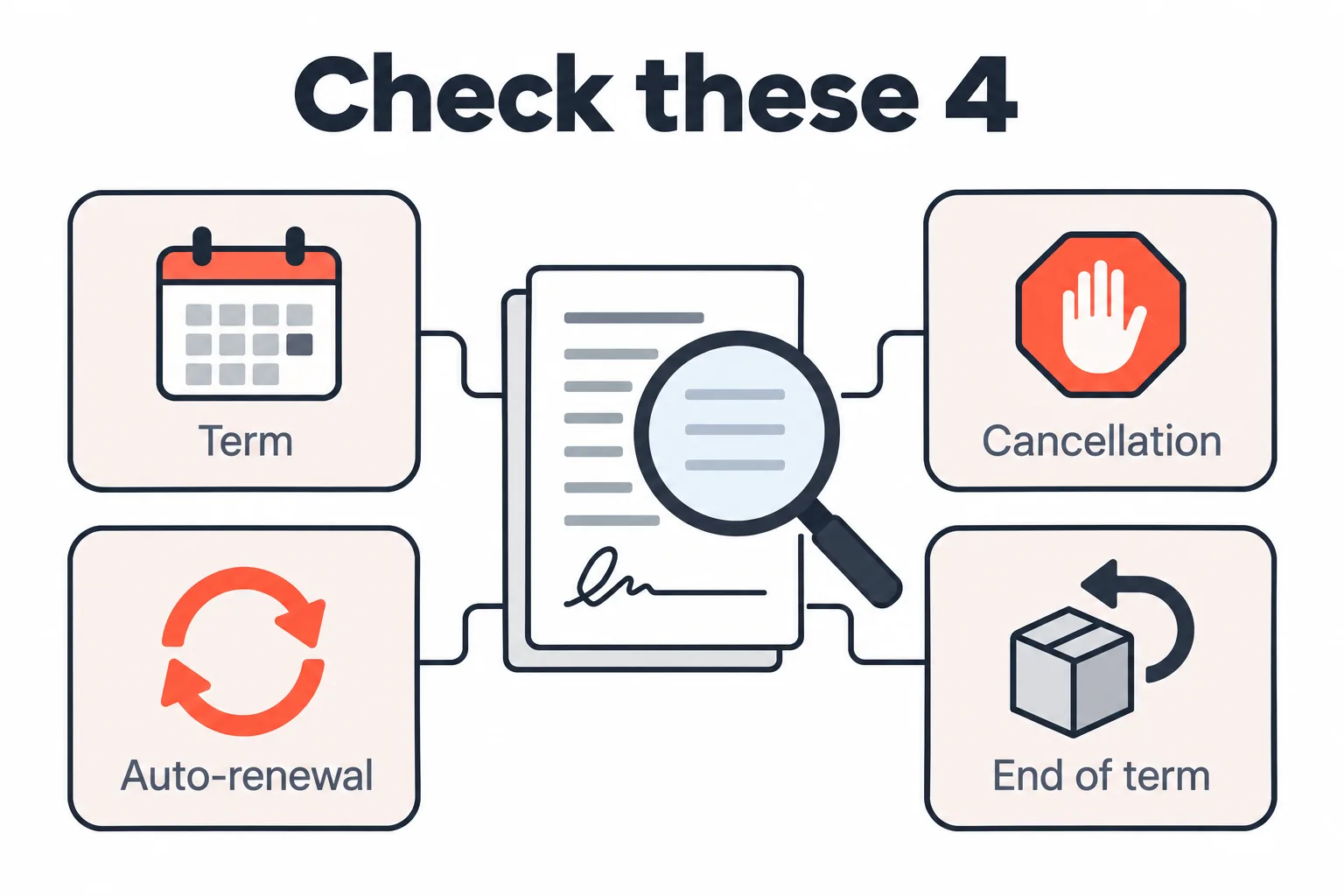
Not the welcome packet. The signed lease. Then look for:
1. Term length and start date. Count how many payments are actually left. That number drives every decision after this.
2. Cancellation, default, and guarantee terms. Check the exact wording and whether you signed a personal guarantee; don’t assume either term applies based on a sales conversation.
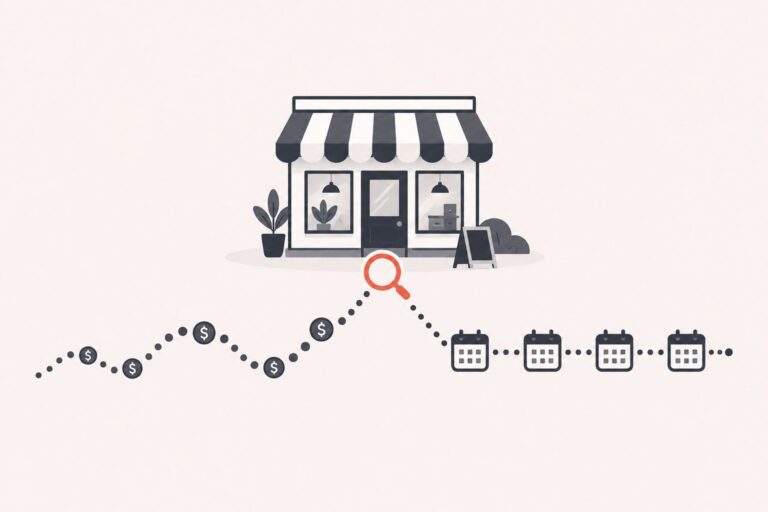
3. The auto-renewal clause. Check whether the lease renews, how much notice is required, how notice must be delivered, and whether the lessor must receive it by a certain date. Notice windows vary by contract. Put the actual deadline in your calendar.
4. End-of-term terms. Does the equipment have to be returned, who pays shipping, and is there a purchase price or a “fair market value” buyout waiting at the finish line?
If you can’t find your copy, ask the lessor in writing for the complete executed agreement, including attachments, amendments, and any guarantee. Compare it with your records. If signatures, pages, or terms appear inconsistent, preserve the documents and ask a qualified lawyer to review them; a missing copy alone does not automatically invalidate a lease.
Step 2: Do the math before you negotiate
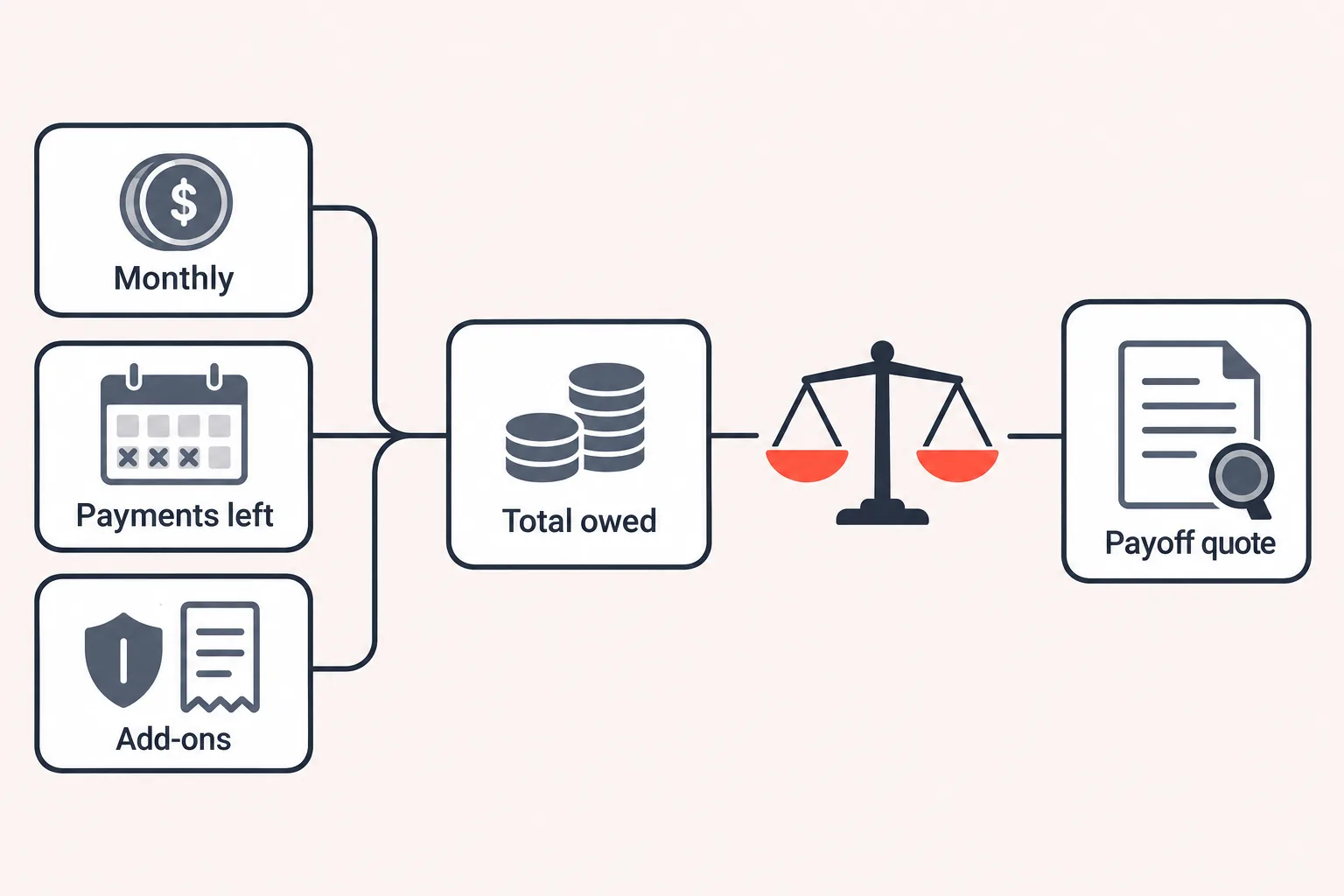
Start with the scheduled monthly payment multiplied by the number of payments remaining. Add any required insurance, taxes, protection or maintenance charges, and end-of-term purchase amount that the agreement requires. Then compare the total with the lessor’s written payoff quote and the cost of suitable replacement equipment.
Compare like with like: compatibility with your point-of-sale software and processor, support, warranty, setup, and ownership at the end of the term can change the value. The comparison helps you decide whether a buyout or continuing payments costs less; it does not guarantee negotiating leverage.
The lease payment has nothing to do with your processing rates. When comparing the cost of a new processing setup, include hardware and required add-ons alongside processing charges so you can see the full expected cost.
Step 3: Ask the leasing company for a buyout figure
Contact the company named as the lessor. Ask for an early payoff quote in writing, an explanation of how it was calculated, the date through which the quote is valid, and any conditions that apply. Ask whether the amount includes remaining payments, a residual or purchase price, taxes, or other charges.
You can ask whether the lessor offers a discounted payoff, but don’t assume one is available. Before sending money, get written confirmation of the amount, the payment method, and what the lessor will consider settled once payment clears.
Continue following the payment terms while you seek a quote unless a qualified adviser who has reviewed your contract tells you otherwise. The agreement and applicable law determine the consequences of nonpayment, which may include collection or other remedies. Ask the lessor how it handles missed payments and any personal guarantee rather than assuming what will happen.
Step 4: See whether the lease can be transferred
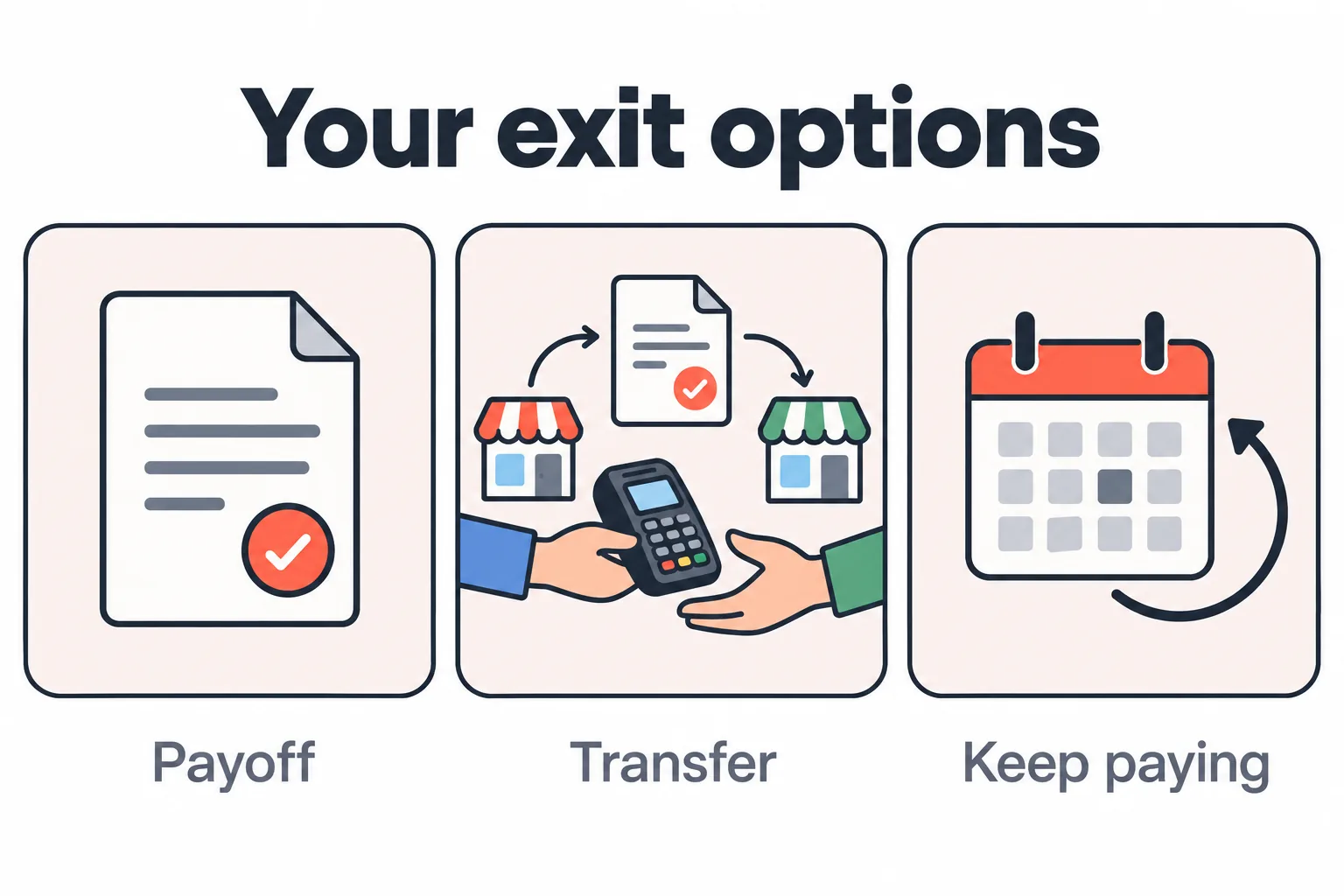
Ask if the leasing company allows assignment to another business. The lessor may require a credit review and written approval. Ask whether the transfer would release you and any guarantor from future liability, and get that release in writing before relying on it.
Use the lessor’s transfer documents and process. An informal arrangement where someone else uses the terminal or sends you money may leave you responsible under the original agreement.
Step 5: Know when to ask a lawyer or regulator for help
If a salesperson described terms that differ from the signed agreement, a signature or page appears altered, or you believe important terms were hidden, preserve the contract, emails, texts, advertisements, and payment records. Ask a lawyer to assess the facts. These issues may deserve review, but none automatically makes a lease unenforceable.
Look for any forum-selection or arbitration clause that says where or how disputes must be handled. Those terms and their enforceability depend on the agreement and applicable law.
You can report suspected deceptive sales practices to the FTC or your state attorney general. The FTC has documented specific cases involving misleading claims about credit-card equipment leases and cancellation promises, but a complaint does not itself cancel your lease or resolve your individual dispute.
This article provides general information, not legal advice. Don’t stop payments or assume a clause is unenforceable based only on a general article; get advice on your own documents.
What high-risk merchants should check before switching
If your business sells CBD or hemp products, review the equipment lease separately from your processing agreement before changing providers. PPO lists payment options for high-risk merchants and recurring billing among its merchant solutions, but your approval and available terms depend on the provider and your application.
Before switching, ask whether the current terminal works with the proposed setup and whether either agreement restricts an overlap. Don’t assume that a lease gives you an exclusive processing relationship, or that it permits a new one. Any additional merchant account should be disclosed and approved for the business using it.
For online sales, review the gateway and recurring-payment setup as well as the physical terminal. PPO describes online payment and gateway options; confirm compatibility and migration requirements with the relevant providers before making a change.
Questions to ask before accepting terminal equipment
- Is this a purchase, rental, lease, or financed purchase? Who owns the equipment during and after the agreement?
- What is the total cost over the full term, including required fees, taxes, support, and end-of-term charges? Ask for the figures in writing.
- Can I use the terminal with another processor or gateway? Which models and software are compatible?
- What are the early payoff, return, renewal, and transfer terms? What notice method and deadline apply?
- Is there a personal guarantee, and who is the legal counterparty?
- Ask what purchase, rental, or placement options the provider offers. Confirm who owns the device and what happens if you stop processing with that provider.
A written request you can adapt
Subject: Request for lease documents and payoff terms
Please send me a complete copy of the executed equipment lease for account \[account number\], including all attachments, amendments, and guarantee pages. Please also provide the current payoff amount, an itemized explanation of the calculation, the date the quote expires, and any return or transfer options. Confirm in writing what steps and payments are required to close or satisfy the lease. This request is not a notice to cancel or an instruction to stop payment.
Frequently asked questions
Can I cancel if I close my business?
Does switching processors cancel the lease?
What if I just stop paying?
Can I return the terminal and walk away?
Is the lease payment separate from my processing fees?
Can I transfer my lease to another business?
Talk through your next payment setup
If you’re choosing a new card or ACH payment setup, contact PPO to discuss your processing needs and available account options. PPO does not control another company’s equipment lease or determine your legal rights under it. Review payoff and transfer questions directly with the lessor, and consult a qualified lawyer when you need advice about the contract.