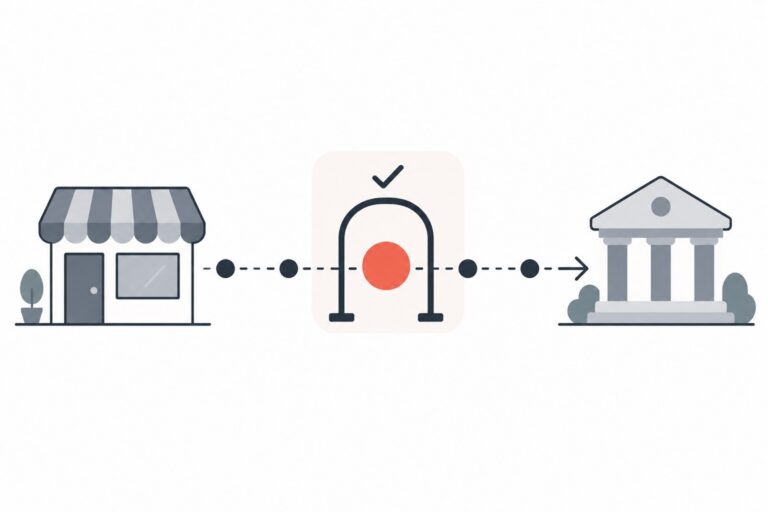
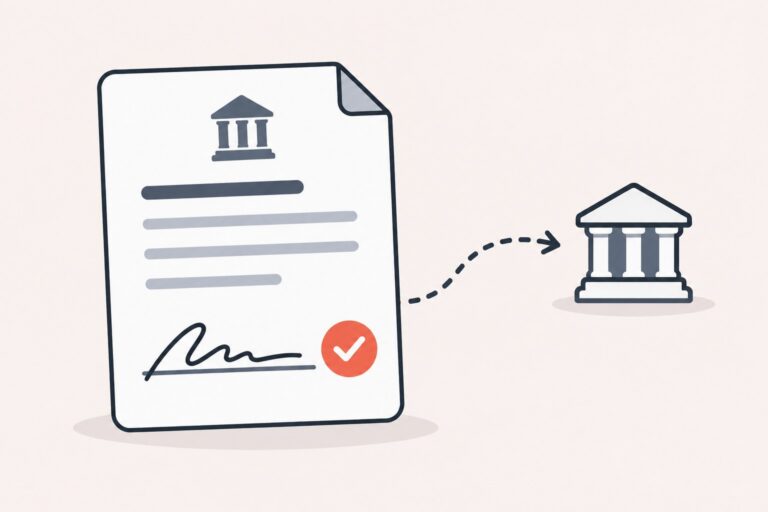
You are filling out a merchant application for your subscription business when it asks for a second signature, this time as an individual. That may be a personal guarantee. It can make you personally responsible for certain amounts the business owes, depending on the agreement you sign.
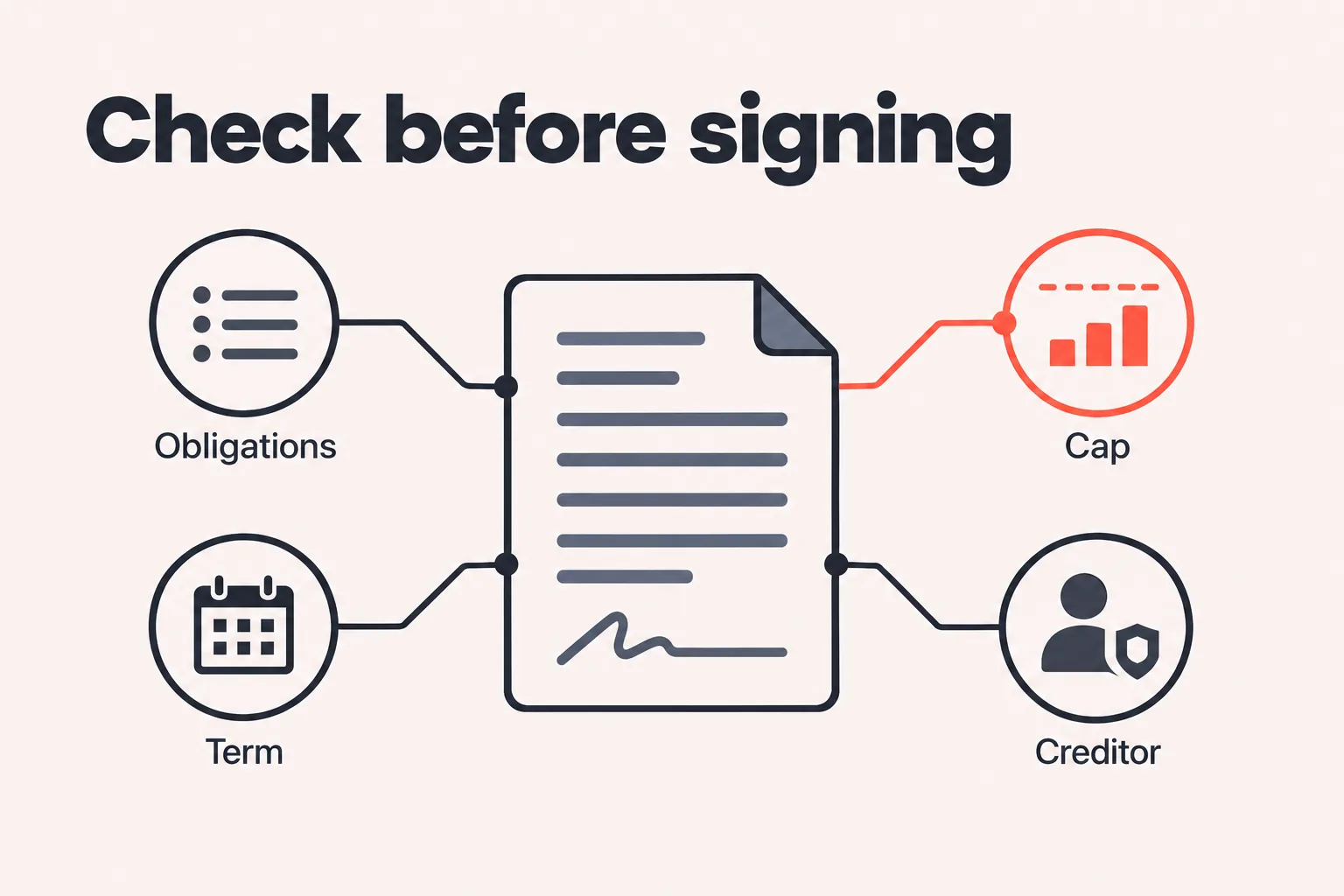
Before you sign, find out who is being guaranteed, which obligations are covered, whether the guarantee has a limit, and how it can end. This guide explains what to look for and what you can ask the acquirer or processor to change.
What is a personal guarantee on a merchant account?
A personal guarantee is a contract in which an individual agrees to pay or perform certain obligations if the business does not. In payment processing, the exact obligations and the parties who can enforce the guarantee depend on the merchant agreement and the guarantee itself.
Your application may have separate signature areas for the business and an individual guarantor, or it may include a separate guarantee document. Do not assume the form is the same across providers. Check whether you are signing only for the business or also in your personal capacity.
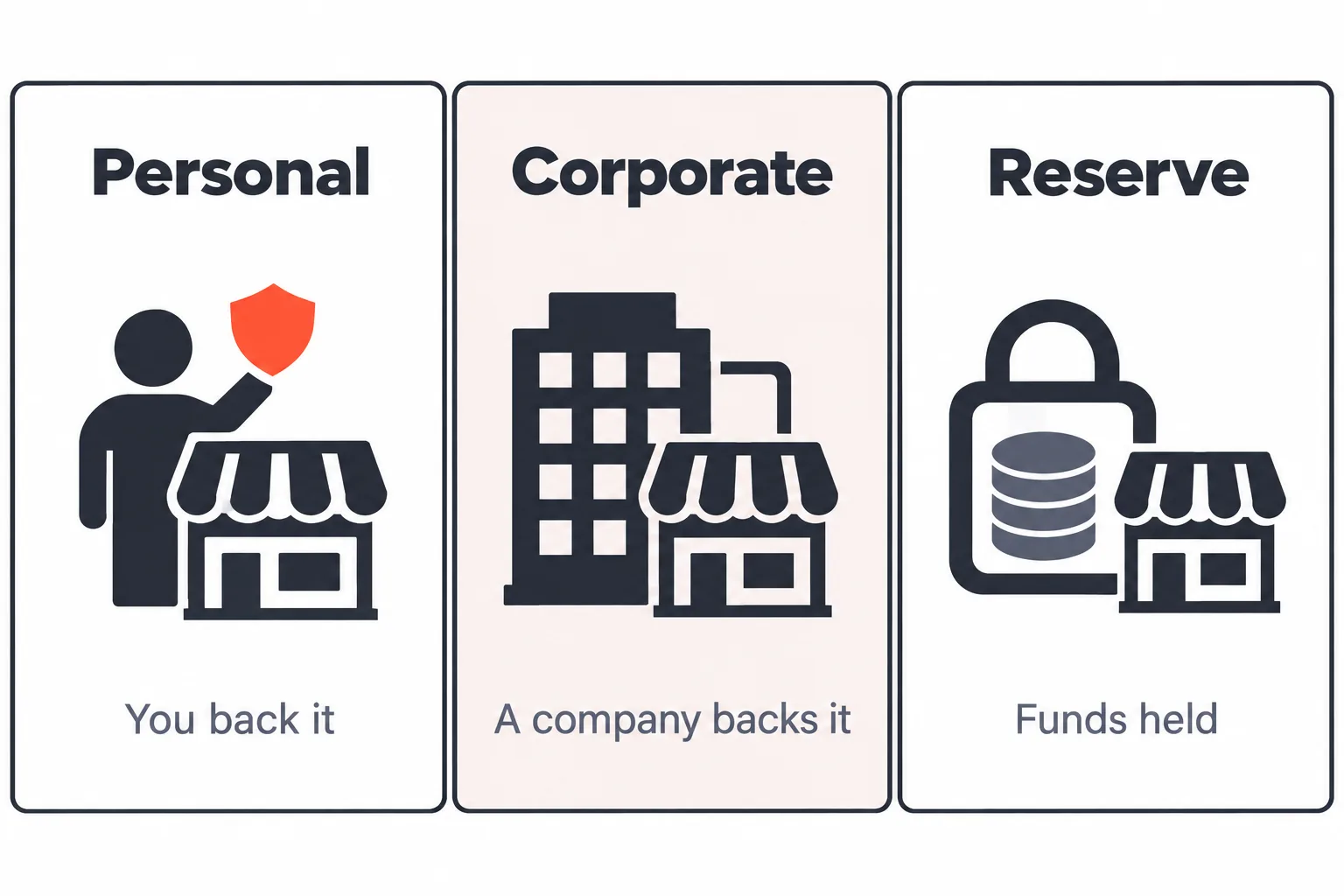
The acquiring bank is the financial institution that enables card acceptance through the acquiring relationship. A processor, ISO, or other service provider may also be named in your paperwork. Read the agreement to identify the parties and their rights. A personal guarantee is different from a corporate guarantee, where another company backs specified obligations, and from a reserve, where funds are withheld under the account terms. For background on underwriting, see PPO’s high-risk merchant account guide.
If more than one owner signs, check whether the document says the guarantors are “joint and several.” That wording may allow the creditor to seek the full covered amount from any one guarantor. The result depends on the agreement and applicable law; signing together does not, by itself, establish that each person owes the whole amount.
Why a processor or acquirer may ask for one
A payment provider may be exposed to losses when settlements cannot cover chargebacks, refunds, fees, or other amounts owed under the merchant agreement. A personal guarantee can give the agreement’s named creditor another person to pursue for obligations the guarantee covers.
The risk profile varies by merchant. An acquirer may consider factors such as processing history, business financials, dispute activity, delivery timelines, sales model, and the business’s ability to cover refunds. Subscription billing can involve later disputes, but it does not mean every subscription merchant will be asked to sign a guarantee. Requirements vary by acquirer and account.
Treat the request as part of underwriting. Ask who requires the guarantee, what it secures, whether a limit is available, and whether the provider will consider another form of support. A guarantee may be one condition of approval, but it does not guarantee approval.
What the guarantee may cover
The guarantee may cover some or all of the business’s obligations listed in the signed documents. Depending on the wording, those may include:
- Chargebacks, refunds, or other amounts that create a negative account balance.
- Monthly account, gateway, or transaction fees that remain unpaid.
- Assessments, fines, or other amounts the merchant agreement assigns to the business.
- Early termination charges, if the agreement provides for them.
- Reasonable collection or legal costs, if the contract and applicable law allow them.
Do not treat this list as standard coverage. Check the actual guarantee for the defined “Guaranteed Obligations,” the named creditor, exclusions, cap, term, and amendment language. “All present and future obligations” may be broad, but whether it reaches another account or an affiliated business depends on the complete agreement.
A setoff or cross-collateralization clause is a separate issue. It may govern whether a provider can apply funds from one account to amounts owed on another. Do not assume that a personal guarantee alone gives a provider that right. Check the agreement’s setoff, reserve, affiliate, and account-specific clauses.
Card disputes and ACH returns also follow different systems and timelines. Nacha’s rules provide an extended return timeframe for certain unauthorized consumer ACH debits; it is not the same process as a card chargeback. Check whether the guarantee covers resulting amounts and what account type and entry rules apply.
What personal liability can mean, and what depends on the contract?
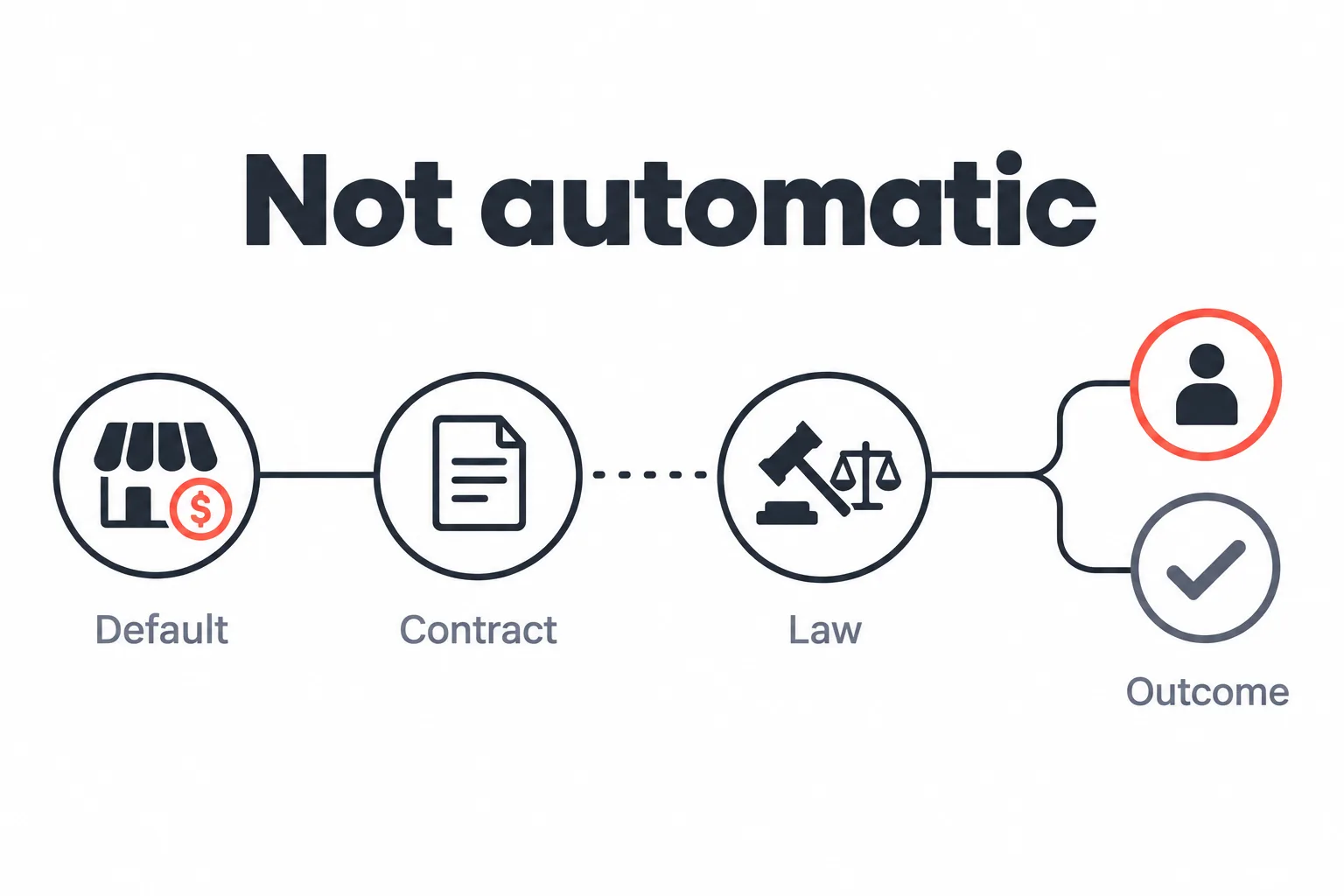
An LLC or corporation does not automatically protect an owner from obligations the owner separately guaranteed.
If the business fails to pay a covered amount and the guarantee is enforceable, the creditor may pursue the guarantor through the process allowed by the contract and applicable law. Personal assets may be at risk, but they are not seized automatically just because a guarantee exists.
Collection activity, lawsuits, judgments, and credit reporting are not automatic outcomes. They depend on the contract, the creditor’s actions, and applicable law. Ask the provider how it handles a default and whether it reports guarantor information to consumer or business credit bureaus. Speak with an attorney about your own agreement and jurisdiction.
A merchant account termination may also be reported to a card-network risk system if the circumstances meet the applicable rules. Mastercard’s MATCH Pro notice explains that financial institutions can submit information about certain terminated merchants and that personal information may be included in some cases.
A listing is a separate matter from a personal guarantee; do not assume every account closure creates a listing or that every future application will be declined. Read Mastercard’s MATCH Pro privacy notice for details. If your account has been terminated, PPO’s merchant account termination appeal guide explains what information may support an appeal or a future application.
Closing or selling the business does not necessarily release a guarantor. Nor should you assume that business bankruptcy ends an individual’s obligation. The guarantee’s survival terms and the applicable bankruptcy and contract rules matter, so have a qualified attorney review the situation before acting.
Can you avoid signing one?
Sometimes a provider may consider a different underwriting condition, but there is no universal right to avoid a personal guarantee. Ask whether the acquirer will consider stronger business financials, a corporate guarantee, a reserve, a volume limit, or a funding delay instead. Availability depends on that provider and your application.
An aggregator or payment service provider that does not ask for a personal guarantee is not automatically risk-free. Review its account terms, reserve and termination provisions, and how it handles refunds and disputes before choosing it.
What to check in the guarantee before signing
Use this checklist while reviewing the guarantee and the main merchant agreement. If a clause is unclear, ask the acquirer to explain it in writing and have an attorney review the legal effect.
1. Who is the guarantor, and which bank, processor, or other party can enforce the guarantee? 2. Which obligations are covered? Look for chargebacks, fees, refunds, assessments, legal costs, and defined terms such as “Guaranteed Obligations.” 3. Is there a dollar cap, a time limit, or a release condition? Does the guarantee continue after the processing account closes? 4. Does it apply only to this merchant ID and agreement, or does it mention affiliates, future accounts, amendments, or assignment? 5. If multiple people sign, does the agreement make their responsibility joint and several, or state separate shares? 6. Does it waive notice, defenses, or a requirement that the creditor first pursue the business? 7. Are there setoff, reserve, collection-cost, cure-period, or consent-to-judgment clauses elsewhere in the documents? 8. How can the guarantee be amended or released, and must the provider sign a written release?
A publicly available TSYS merchant processing agreement can help you see how terms may be organized. It is only an example; your provider’s signed agreement controls your account.
How to ask for a cap or narrower terms
You can ask the acquirer or processor about changes before signing. It may decline, so treat these as negotiation points, not rights or guaranteed options.
1. Ask whether the guarantee can have a stated dollar cap. Get the cap and how it is calculated into the signed document. 2. Ask whether it can apply only to this merchant account and the obligations listed in this agreement. 3. Ask whether the guarantee can end after a specified date or after stated conditions are met. Do not assume a review period is standard. 4. If more than one owner signs, ask how each guarantor’s liability is defined. Any change to joint-and-several liability must be written into the agreement. 5. Ask whether the agreement can require written notice and a reasonable opportunity to cure before certain enforcement steps. 6. Review phrases such as “continuing and unconditional,” waivers of notice or defenses, assignment, amendments, affiliate obligations, and consent to judgment with an attorney. 7. Get every agreed change in a signed agreement or countersigned addendum. A sales representative’s email may not amend the contract.
Compare the full financial arrangement, not only the processing rate. Reserves, monthly fees, gateway charges, and other terms can change the account’s total cost. See PPO’s guide to high-risk merchant account fees.
How to ask for a release later
Start by reviewing the release, termination, and survival language. Then ask the provider what evidence it requires for a formal review. You may be asked for processing statements, dispute and refund history, financial records, or updated underwriting documents, but the requirements and timing vary.
A provider may decline a full release or offer another change, such as a cap or reserve adjustment. If it agrees to release you, get a signed document identifying the guarantee, merchant account, covered obligations, and effective date. Keep the release with the original agreement. If you sell the business, do not assume the buyer’s new agreement releases your guarantee; make a written release by the original creditor part of the transaction documents.
No specific length of clean processing history guarantees a release. Ask the acquirer about its review criteria and keep paying amounts you owe while a request is pending unless your attorney advises otherwise.
Reduce the chance of a claim under the guarantee
The guarantee is more likely to matter if the business cannot cover obligations under its account agreement. Good dispute and refund practices can reduce some avoidable exposure, but they cannot remove the guarantee or prevent every chargeback.
For recurring billing, use a recognizable billing descriptor, explain trial-to-paid terms clearly, send appropriate renewal notices, make cancellation straightforward, and respond to refund requests promptly. For broader dispute-prevention steps, see PPO’s guide to reducing high-risk chargebacks.
Use alerts and a defined response process for disputes, monitor refunds and returns, and keep enough working capital for expected refunds and chargebacks. If you use more than one merchant account, each account must be separately approved and used under its own terms. Do not route transactions to bypass a volume cap or account restriction.
Frequently asked questions
Does an LLC protect me from a merchant account personal guarantee?
Does the guarantee end when I close the merchant account?
Can a processor collect from me before collecting from the business?
Can I negotiate a cap on a personal guarantee?
Does a business bankruptcy release the guarantor?
Do all payment processors require a personal guarantee?
Talk it through before you sign
If you are comparing merchant account options, we can discuss your payment setup, underwriting questions, and what to ask the acquirer about its requirements. For legal interpretation or advice about signing a guarantee, have a qualified attorney review your agreement. Contact Premier Payments Online to talk through your payment-processing needs.
Written from Irini Tomei’s experience placing and supporting accounts in high-risk and regulated industries. This article is general education, not legal advice. Contract terms and legal outcomes vary; have your own agreement reviewed by a qualified attorney before signing.