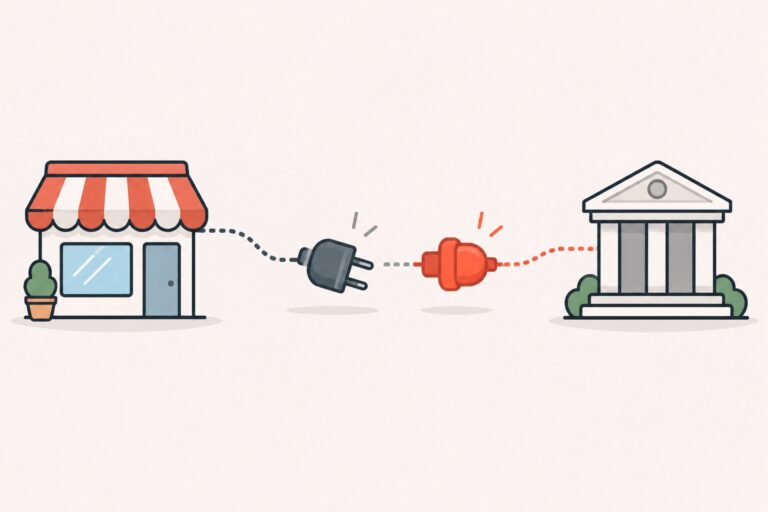
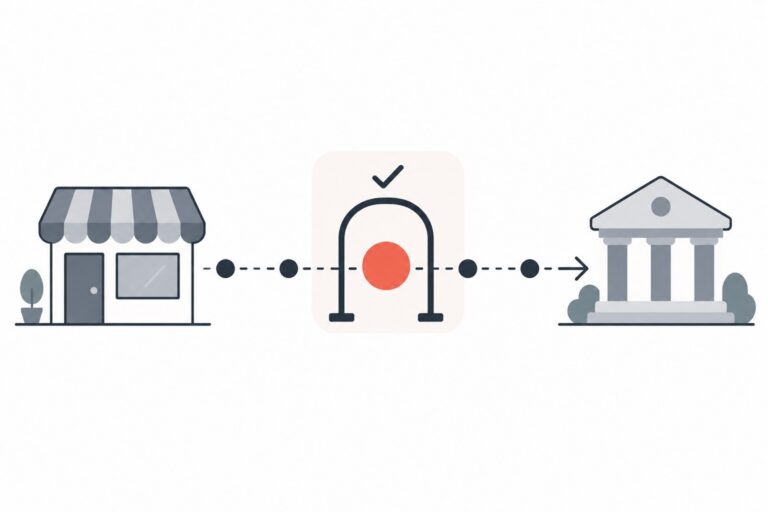
If you sell supplements, skincare, or wellness products wholesale, a slow-paying distributor or retailer can tie up cash you need for production, packaging, and marketing. If you’re looking for how to get customers to pay invoices faster, start with the process: when you invoice, whether the invoice meets the buyer’s requirements, and how easy it is to pay. This guide focuses on business-to-business invoices; consumer subscription billing follows a different process.
Many avoidable delays start in the billing process: an invoice sent late, missing information, unclear terms, or a difficult payment path. When an accurate invoice is still overdue, follow-up and credit controls matter too.
Why Slow Invoices Hit Supplement and Subscription Brands Harder
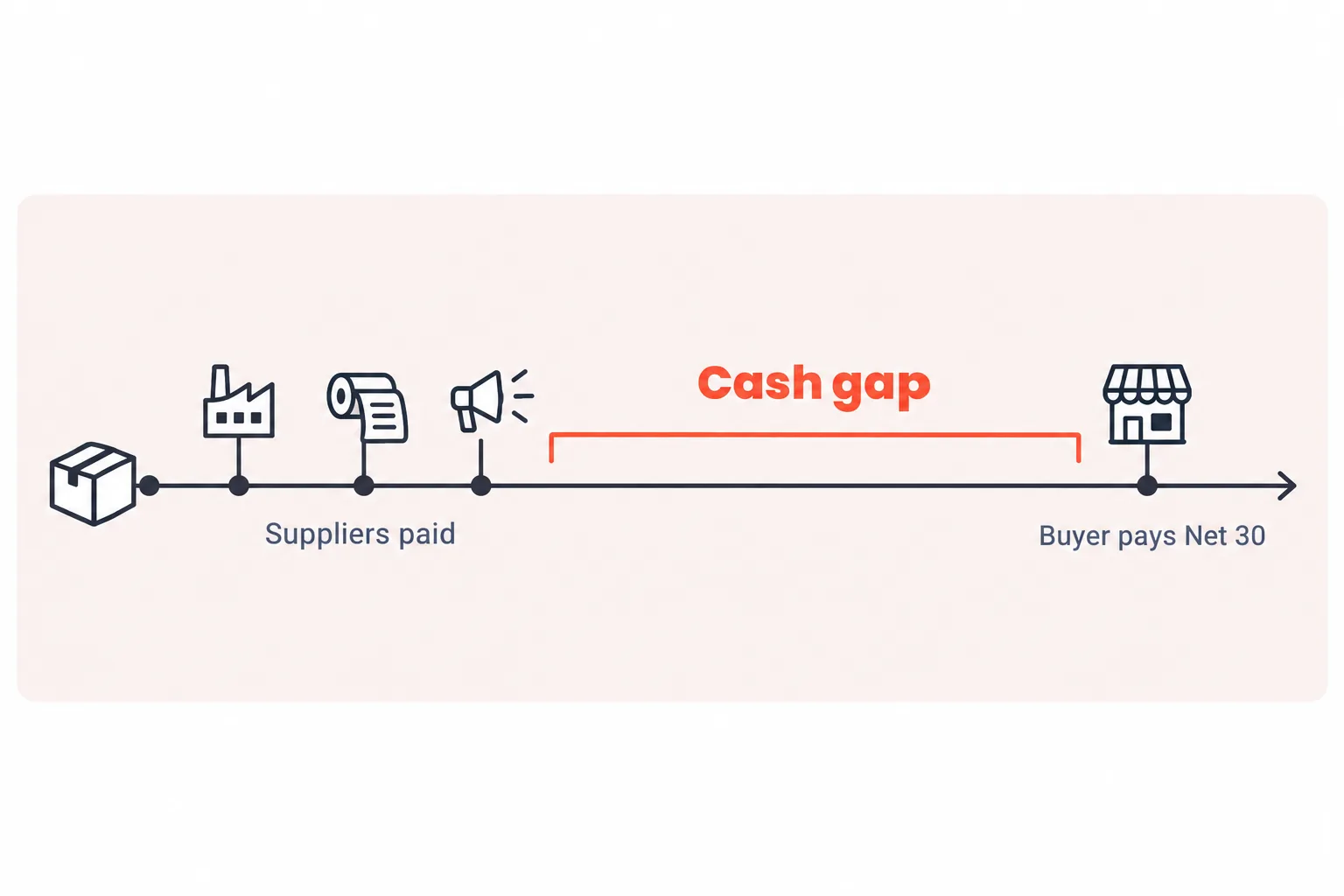
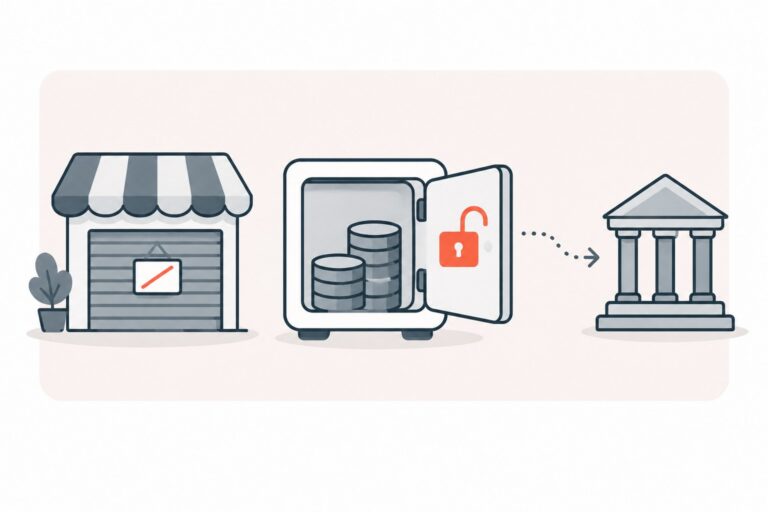
Some merchant accounts in higher-risk or regulated categories may include a reserve, which can limit the cash available to the business. Check your merchant agreement to see whether a reserve applies and how its terms affect your cash flow. Unpaid invoices can add another gap between sales and available cash.
Meanwhile, your co-packer, label printer, and advertising platform still need to be paid. A distributor may have agreed to Net 30, but your suppliers may expect payment sooner. That mismatch can put pressure on working capital even when sales are steady.
1. Send the Invoice the Minute the Order Ships
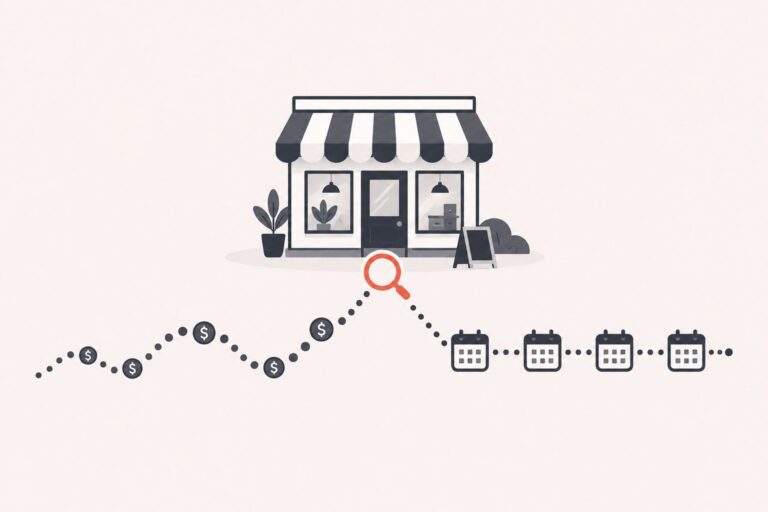
Batching invoices to month-end can add weeks of delay before the payment clock even starts. Invoice on shipment, on delivery, or on milestone completion instead of on a calendar cycle.
Send the invoice electronically as soon as it is ready and include a direct payment option where appropriate. See how e-invoicing can support invoice delivery for more on reducing manual steps.
One detail worth building into onboarding: send the invoice to the person who releases payment, not only the buyer who placed the order. Ask for the accounts payable (AP) contact and required submission method before the first invoice.
2. Set Clear Terms and Ask for Money Up Front
For new accounts, agree on terms that fit your business and the buyer’s AP cycle. Options may include Net 15, Net 7, or payment on receipt. For existing accounts, change terms through an agreed contract or order update rather than assuming a new invoice changes the arrangement.
- Deposits. Consider a deposit for a first order, custom work, or a large production run. Set the amount based on your costs and agreement with the buyer; a fixed percentage will not fit every order.
- Milestone billing. Break large orders into stages so one late payment does not freeze the whole balance.
- Accepted terms. Put payment terms in a signed contract or other accepted order document, then repeat the due date on the invoice. Whether terms are enforceable depends on the agreement and applicable law.
Keeping a card on file to charge when an invoice comes due? Get clear written permission and explain what you will charge and when. For consumer recurring payments, disclose material billing terms and obtain consent before charging; requirements can vary by location.
3. Give Them a Pay Now Button, and More Than One Way to Pay
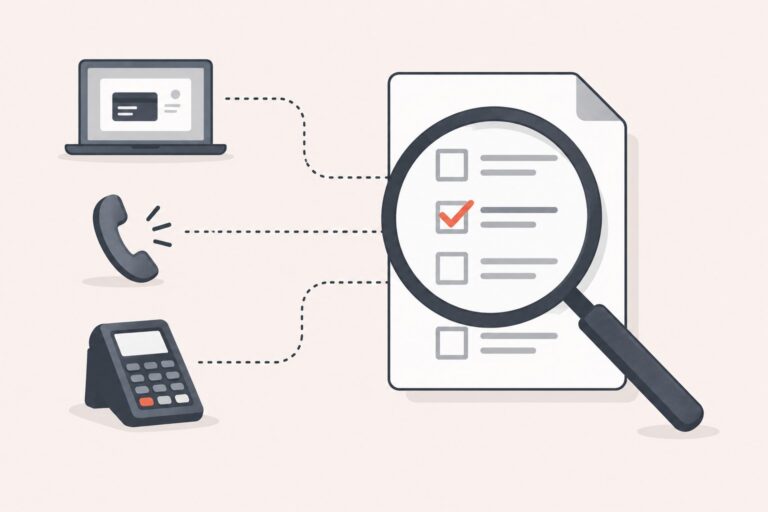
Every invoice should carry a clickable payment link, not bank details buried at the bottom. Offer suitable options such as card and ACH; wallet options may also be useful if your payment provider supports them. People are more likely to complete payment when the route is clear and convenient.
For international buyers, ask which payment methods they can use and confirm availability with your processor. Options and settlement timing vary by country and provider.
For businesses in regulated or higher-risk categories, confirm that the gateway and merchant account support the intended invoice and stored-card billing flow before building it. PPO’s online invoice-payment tools include invoice delivery and payment options; confirm which functions are available for your account and setup.
Card or ACH: Which Gets Money in the Bank Sooner?
Card authorization is usually returned quickly, but the time until funds reach your account depends on your provider’s funding schedule. Card fees vary by provider, card type, and transaction setup. ACH may cost less for some merchants and can suit larger invoices, but pricing and settlement timing depend on the provider and transaction. Same-day ACH may be available for eligible payments submitted before applicable cutoffs. See Nacha’s overview of how ACH payments work for general network information.
A practical starting point is to compare the actual fees, settlement schedule, return handling, and buyer preference for each method. Ask your provider about ACH payment acceptance and the options available for your account. An ACH payment appearing in a dashboard does not mean it can never be returned; timing and return reasons vary.
4. Automate the Reminders So You Are Not the Bad Guy
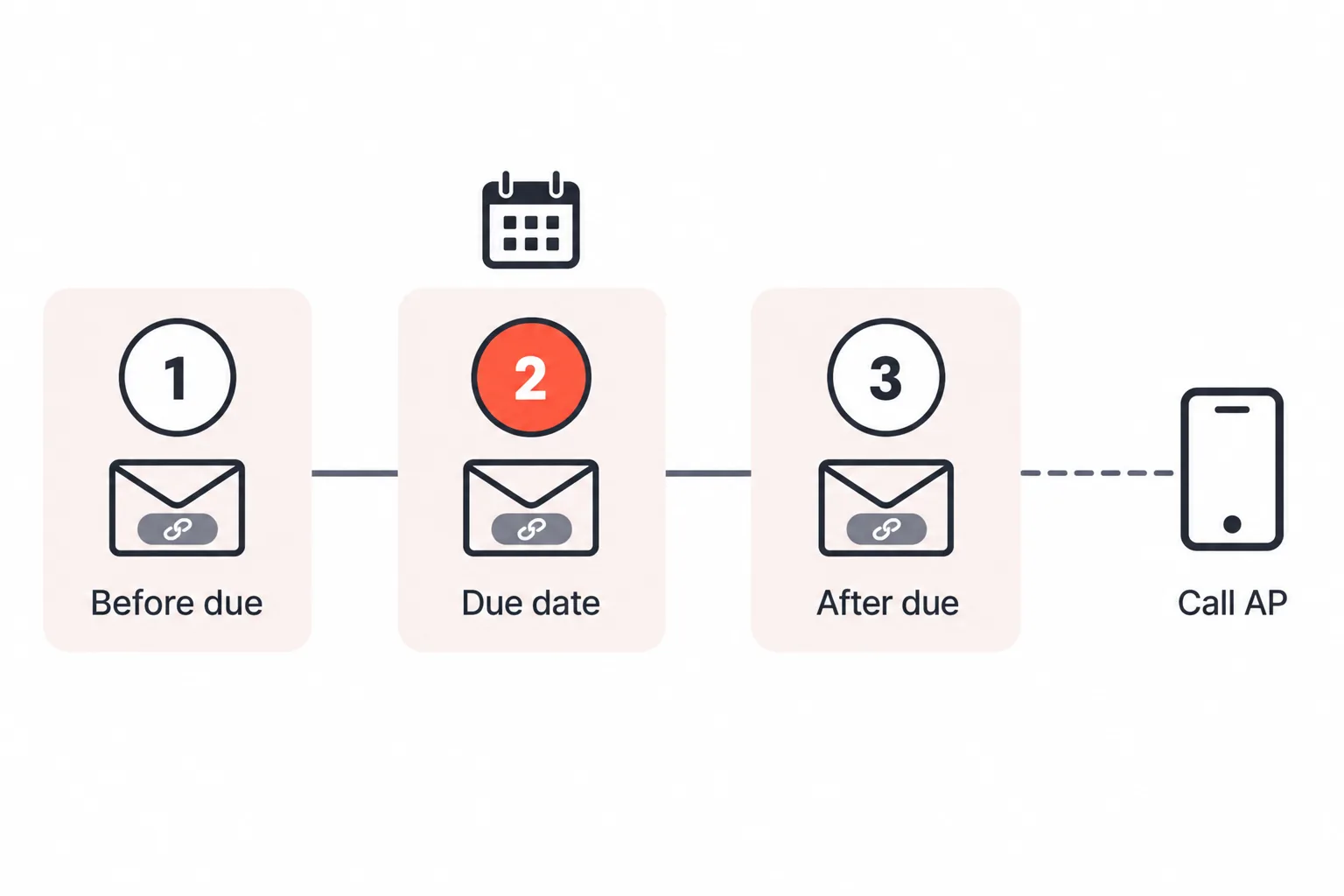
Three touches handle most of the work: a few days before the due date, on the due date, and shortly after it passes. Each reminder repeats the amount and the payment link so nobody has to dig for the original email.
Keep the tone friendly. This is a reminder, not a warning. If the automated messages do not resolve the delay, call the AP contact and ask whether the invoice is missing information, awaiting approval, or scheduled for a later payment run. Keep a record of the follow-up.
5. Reward Early Payment, Price In Late Payment
A small early-payment discount may be worth offering if the value of receiving cash sooner outweighs the discount. For example, “2/10 Net 30” generally means a 2% discount if paid within 10 days, with the full amount due within 30 days. Compare the discount cost with your cash-flow needs and margins before offering it.
Late fees depend on the agreement and applicable law. State the terms clearly in an accepted agreement, check applicable limits and notice requirements, and apply the policy consistently.
Surcharging and cash-discount programs have different requirements. Before launching either, confirm the rules with your acquirer, card networks, and the applicable state or country. Review Visa’s rules and policies and get your proposed setup checked by your payment provider.
6. Fix the Invoice Itself
A late payment may start with an invoice that is incomplete or difficult for AP to process:
- Clear line items, plus the purchase order or account number the buyer requires.
- The due date as a calendar date, not only “Net 30.”
- One obvious total and one obvious payment button.
- A named billing contact and phone number for questions.
- A PDF attachment if the buyer’s accounting workflow requires one.
If a buyer pays by card, use a billing descriptor they can recognize and align it with the business details shown during checkout. This can reduce confusion about a card transaction; it does not replace clear invoice details or customer support.
7. When the Payment Still Does Not Land
Diagnose before you escalate. A declined card, an ACH return, an expired card on file, and a genuine dispute about the product are different problems with different fixes.
For eligible recurring card payments, account-updater services may help refresh expired or changed card details, depending on your provider and setup. Use retry schedules carefully and follow your provider’s guidance; repeatedly submitting a declined payment can create more declines without resolving the underlying issue.
From there, use a clear follow-up path: reminder, AP contact, discussion of a payment plan where appropriate, then recovery or collections as a last resort. If payment risk or chargebacks are part of the issue, review PPO’s risk and fraud management services. A second merchant account may be relevant for some businesses, but it adds operational and underwriting considerations; discuss the fit with your acquirer before relying on it as a backup.
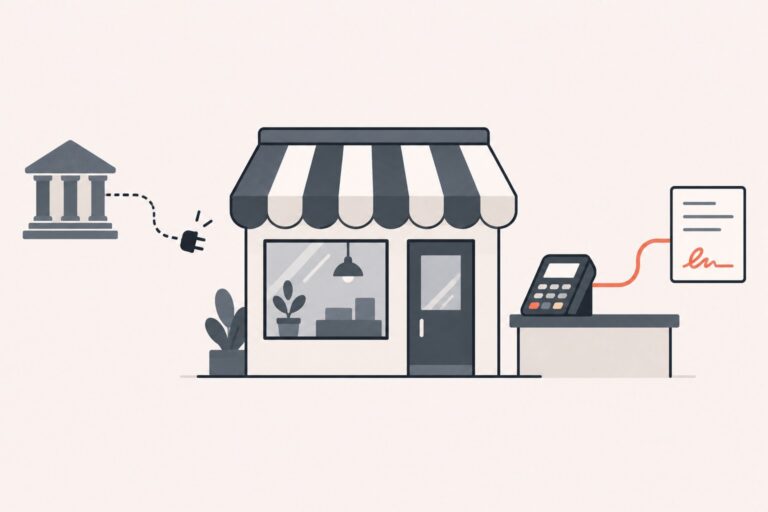
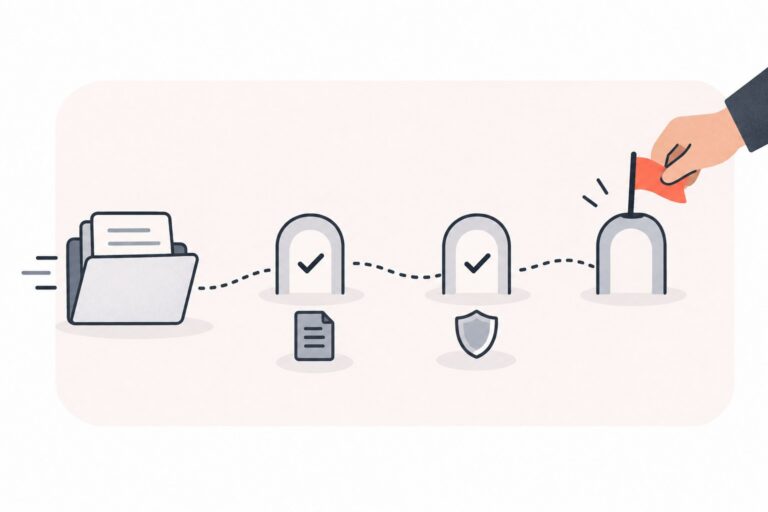
8. Confirm the Buyer’s AP Requirements Before You Ship
Ask whether the buyer requires vendor onboarding, a purchase order number, a specific invoice portal, particular invoice fields, or delivery documentation. Confirm the correct AP contact and ask when payment runs are scheduled.
An invoice can be accurate and still be delayed if it misses the buyer’s process.
For a large first order, confirm that your vendor setup is complete before shipment.
Related readingEnterprise Payment Services: B2B Payment GuideRead the guide →Frequently asked questions
How long does an ACH transfer take?
What do credit card processing fees cost on an invoice?
What payment terms should a subscription or wholesale brand use?
Can I charge a fee for paying by card?
Getting Paid Faster Starts With How You Take Payments
Start with three practical steps: send the invoice when the order reaches the agreed billing point, make the buyer’s payment route clear, and follow up on a consistent schedule. Then check whether AP requirements, payment terms, or payment-method limits are causing repeat delays.
If you want to discuss card and ACH acceptance, invoice payments, or a regulated-category setup, talk with Premier Payments Online. We can review the payment-processing questions within our scope and explain when a decision depends on your acquirer or underwriting requirements.