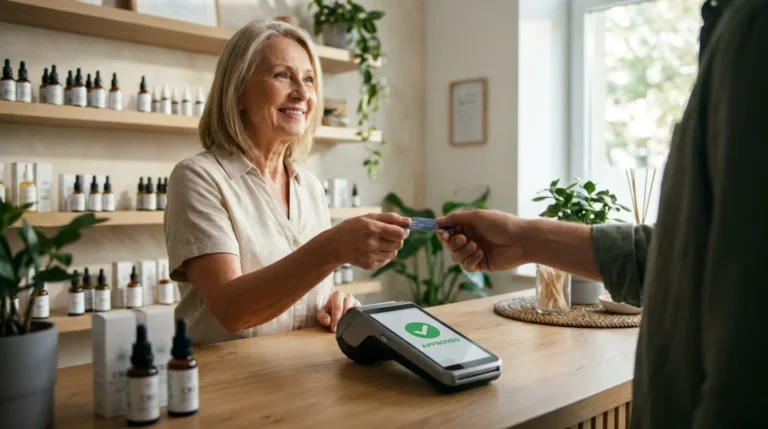
Every business that accepts card or digital payments depends on secure payment processing to protect customer data and maintain trust. The global digital payment market reached US$9.5 trillion in 2023 and is forecasted to hit US$14.8 trillion by 2027, showing how vital it has become for companies to upgrade their payment infrastructure.
Weak or outdated systems can expose merchants to data breaches, chargebacks, and revenue losses that could cripple growth. Modern merchants are expected to deliver fast, safe, and seamless transactions across online and in-store platforms.
This article explores what secure payment processing means, the components that make it work, how risks differ across payment channels, and the way Premier Payments Online (PPO) empowers businesses to process payments safely while improving performance and compliance.

What Is Secure Payment Processing?
Secure payment processing is the backbone of safe financial transactions. It protects sensitive information, like credit card numbers and bank details, from fraud or misuse during every transaction.
At its core, it involves multiple layers of protection, including encryption, tokenization, and compliance with Payment Card Industry Data Security Standards (PCI DSS). These safeguards ensure that payment data remains unreadable even if intercepted, preventing unauthorized access and fraudulent activity.
Components of a Strong Secure Payment Processing Solution
As global transaction volumes grow, the complexity of payment networks increases. Each additional channel, e-commerce, mobile apps, and in-store terminals, introduces new vulnerabilities. That’s why a strong payment framework must combine technology, compliance, and risk management.
| Component | Description | Why It Matters |
| Encryption & Tokenization | Cardholder data is encrypted or replaced by a token, making it meaningless to intruders. | Prevents exposure of customer financial data during transmission or storage. |
| Multi-Acquirer & Intelligent Routing | Routes transactions through the best-performing acquirer using systems like intelligent payment routing. | Reduces declines, increases approval rates, and ensures business continuity. |
| Fraud Management & Risk Control | Utilizes tools for chargeback alerts, velocity checks, and AI-based fraud detection. | Minimizes financial loss while improving customer confidence. |
| PCI DSS Compliance | Adheres to PCI DSS security standards, including audits and attestations. | Meets regulatory requirements and reduces the chance of penalties. |
| Multi-Channel Capability | Supports online, in-store, and mobile payments in one system. | Unifies reporting, reduces complexity, and ensures consistent security across channels. |
| User-Friendly Reporting | Consolidates transaction data across terminals, web, and mobile. | Allows merchants to detect anomalies quickly and respond in real time. |
By combining these features, PPO ensures that every client, from startups to high-risk enterprises, receives consistent protection throughout the entire payment life cycle. The system not only shields sensitive data but also streamlines payment operations, improving authorization rates and uptime.
In-Store vs Online: Risk Differences and What You Should Do
Payment security challenges differ depending on how and where a transaction occurs. While online businesses fight card-not-present fraud, in-store merchants face hardware and terminal vulnerabilities.
| Channel | Common Risks | Key Security Measures |
| Online Payments | Stolen card data, phishing, man-in-the-middle attacks, and weak site encryption. | Use a secure payment gateway, SSL certificates, tokenized checkout, and multi-factor authentication. |
| In-Store Payments | Skimming devices, POS malware, unsecured Wi-Fi, and outdated terminals. | Deploy PCI-validated point-to-point encryption, update firmware, and isolate POS networks. |
| Omnichannel Operations | Data silos between systems, inconsistent encryption standards. | Consolidate systems through omni-channel payment solutions for unified risk management. |
Both environments must comply with PCI DSS and maintain a secure payment gateway that encrypts and authenticates transactions. PPO’s secure payment processing structure covers both channels, linking your retail operations with online storefronts to ensure smooth and protected data flow.
How PPO Delivers Secure Payment Processing for Businesses
Premier Payments Online (PPO) is a registered ISO/MSP with over 15 years of experience in the payment industry. Based in Pennsylvania, PPO partners with multiple acquirers and global processing providers to deliver flexible merchant solutions tailored to each business type.
Our framework combines compliance, fraud control, and payment optimization into one system. PPO supports both domestic and international merchants, offering multi-currency settlement and secure credit card processing that meets industry standards.
For businesses in higher-risk verticals, such as subscription services or cross-border e-commerce, our team designs specialized processing setups through our high-risk merchant program. We help you maintain transaction stability, meet PCI requirements, and access banking partners often unavailable to new or complex businesses.
By combining advanced fraud tools, user-friendly technology, and personalized support, PPO turns payment security from a compliance checkbox into a competitive advantage.

Threats to Secure Payment Processing: What You Should Know
The financial ecosystem constantly evolves, and so do cyber-threats. From phishing campaigns to API exploitation, merchants must stay alert. A single lapse can result in lost revenue and compliance fines.
| Threat | Description | Mitigation Strategy |
| Data Breach | Exposure of stored credit card or customer information due to unencrypted databases. | Apply encryption at rest and regular PCI testing through our PCI compliance test tool. |
| Card-Not-Present Fraud | Fraudsters use stolen credentials for online purchases. | Integrate tokenization and real-time fraud detection. |
| POS Malware or Hardware Tampering | Physical terminals are used to capture swipe data. | Regularly audit devices, segment networks, and update POS software. |
| Non-Compliance with PCI DSS | Ignoring industry mandates leads to fines or processor termination. | Conduct audits with PPO’s assistance and review the attestation of compliance guide. |
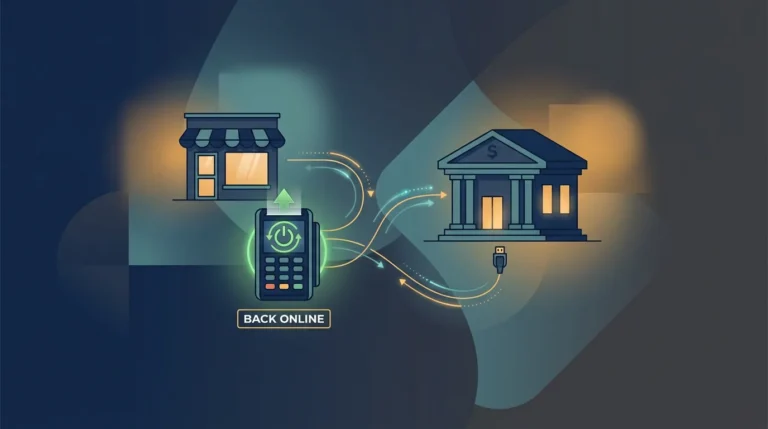
| Operational Downtime | Single-acquirer dependency causes transaction failures. | Use PPO’s multi-acquirer network for redundancy and uptime stability. |
A proactive approach that includes encryption, compliance checks, and continuous monitoring can prevent nearly 80 % of common payment security incidents reported in the last two years.
Key Take-aways
| Key Insight | Practical Impact |
| Secure payment processing is a core requirement, not a luxury. | Builds customer trust and reduces financial risk. |
| Combining encryption, tokenization, and fraud control ensures payment integrity. | Prevents unauthorized access and data loss. |
| Online and in-store channels require unified oversight to stay secure. | Eliminates vulnerabilities between systems. |
| Compliance with PCI DSS standards protects against legal and reputational damage. | Avoids penalties and boosts brand credibility. |
| PPO’s multi-acquirer network and expert risk management deliver sustainable payment performance. | Ensures steady revenue flow even in high-risk markets. |

Moving Forward with PPO’s Secure Payment Solutions
Businesses today face constant pressure to maintain fast checkouts while preventing fraudulent transactions. A secure payment processing system is no longer optional; it is the shield that keeps your revenue and customers safe.
If your company wants to upgrade its current infrastructure or consolidate in-store and online payments into one reliable platform, PPO’s online payment solutions and bill pay services are designed to meet those needs.
Partner with Premier Payments Online and strengthen your payment foundation today. Visit our contact page to connect with a specialist who can evaluate your current setup and help your business move toward safer, smarter, and more secure payment processing.