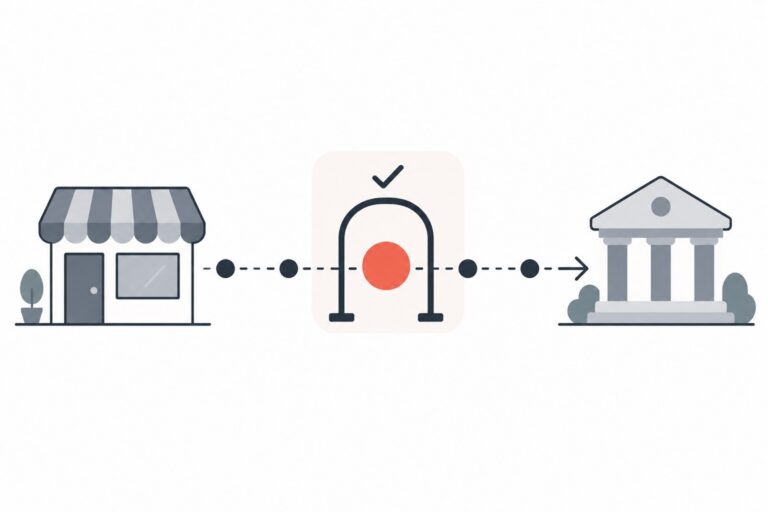
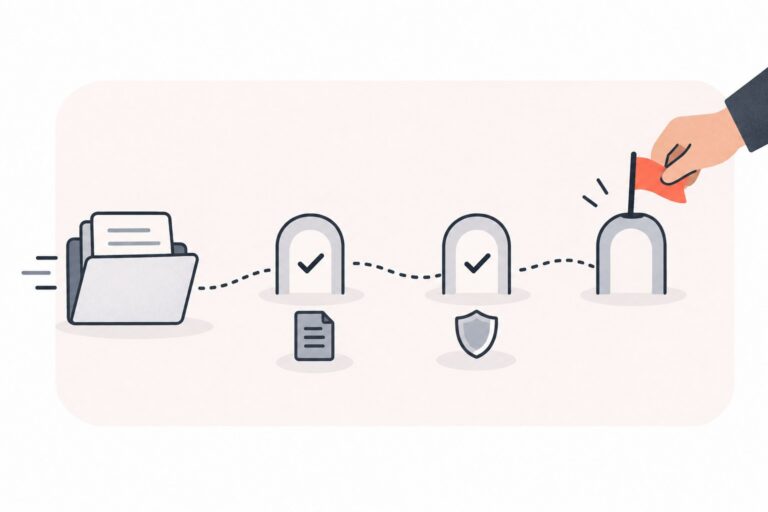
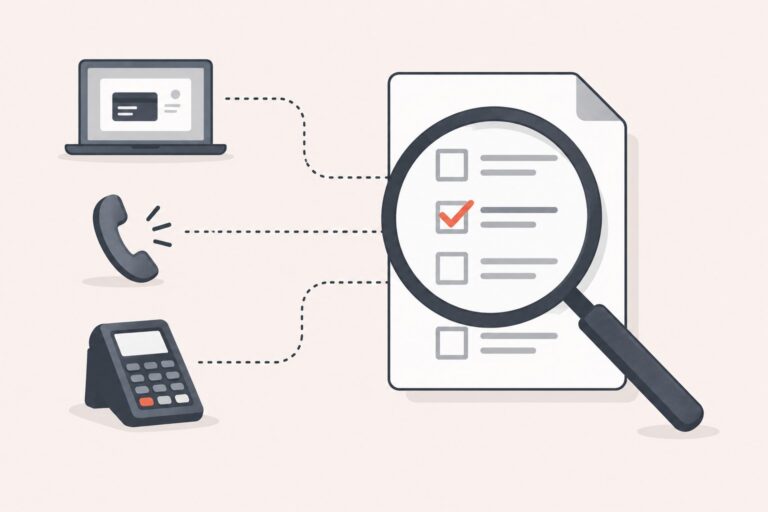
Your co-packer wants a bank transfer. Your ad platform wants a card on file. Your fulfillment partner says either works, then asks which one gets them paid faster. If you run a subscription brand, you make these calls every week without stopping to ask what each choice costs you or what happens when it goes wrong.
Worth asking, because virtual cards and ACH behave very differently once you look past “the money left our account.”
The Short Answer
If you want the rule without the reasoning behind it:
- Virtual cards may fit vendors that accept cards, especially when your card program offers useful transaction controls or a rebate. Software subscriptions, ad platforms, shipping, travel, sample orders, and trade show deposits may be candidates.
- ACH may fit recurring, higher-value payments when the vendor accepts it and the fees and timing work for both sides. Contract manufacturers, co-packers, landlords, accountants, attorneys, and ongoing agency retainers may fall into this group.
- Most operators use more than one method. Choose by vendor acceptance, total cost, timing, controls, and reconciliation needs, not by trying to force every supplier onto one rail.
This guide focuses on money going out: supplier and vendor payments. If you also accept payments from your own customers, that is a separate workflow with different cost and underwriting questions.
At-a-Glance Comparison
Related readingReal Time Payments vs ACH: Clear Comparison for BusinessesRead the guide →| Factor | Virtual card | ACH |
|---|---|---|
| How it works | A card credential is sent for a supplier to process, subject to the card program’s terms and controls. | For a typical vendor payment, the buyer sends an ACH credit. An ACH debit is a separate flow in which the vendor pulls funds under an authorization. |
| Acceptance | The vendor must accept the card network and payment setup. | The vendor must provide or confirm bank details, or authorize a debit where that is the agreed arrangement. |
| Cost | The vendor may pay card acceptance fees; the buyer may receive a program rebate. Actual terms vary. | Bank and provider fees vary; do not assume every ACH service uses a flat fee. |
| Timing | Authorization may be quick; the vendor’s funding time depends on its processor and account. | Settlement depends on payment type, submission time, banking days, and provider cutoffs. |
| Controls and reconciliation | Some programs offer vendor, amount, date, or single-use controls; features vary. | Bank-detail controls and invoice matching depend on your process and the remittance information available. |
Treat the table as a starting point, not a guarantee about any specific bank, card program, or vendor.
What a Virtual Card Actually Is
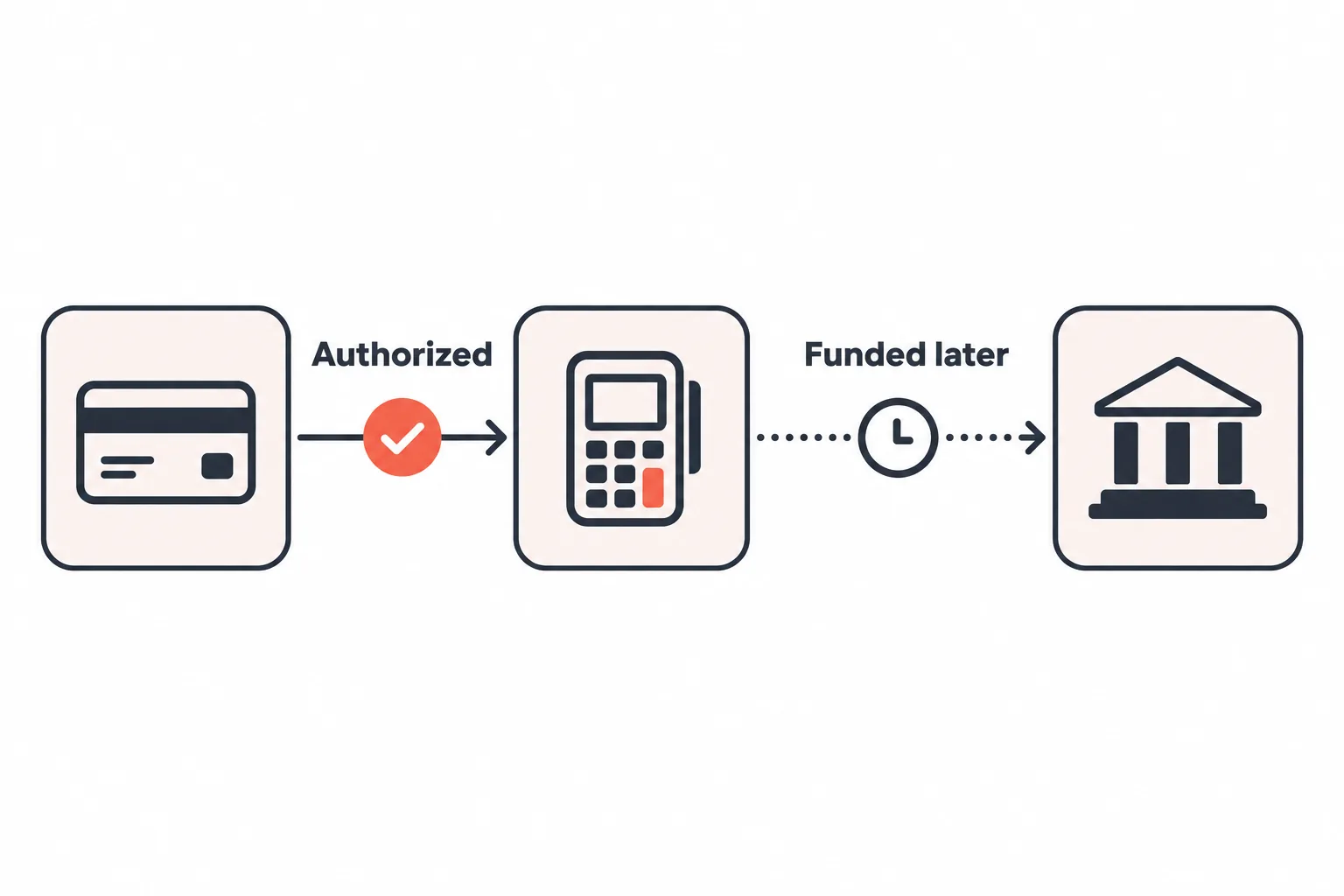
A virtual card is a digital card credential created through a bank or card program. It is separate from the physical card number, but the available controls depend on the program. Some let a buyer set limits such as vendor, amount, date, or number of uses. Check the product terms to see which controls apply. Visa’s overview of virtual cards for business describes examples of supplier-payment controls.
Some programs issue a single-use number for one payment; others support a vendor-specific number for recurring payments. Ask the provider which type you are receiving and whether the number can be reused.
On the back end, the vendor processes the payment like a card transaction. Authorization and the vendor’s eventual funding are separate steps: the vendor’s processor and funding schedule determine when funds arrive.
What an ACH Payment Actually Is
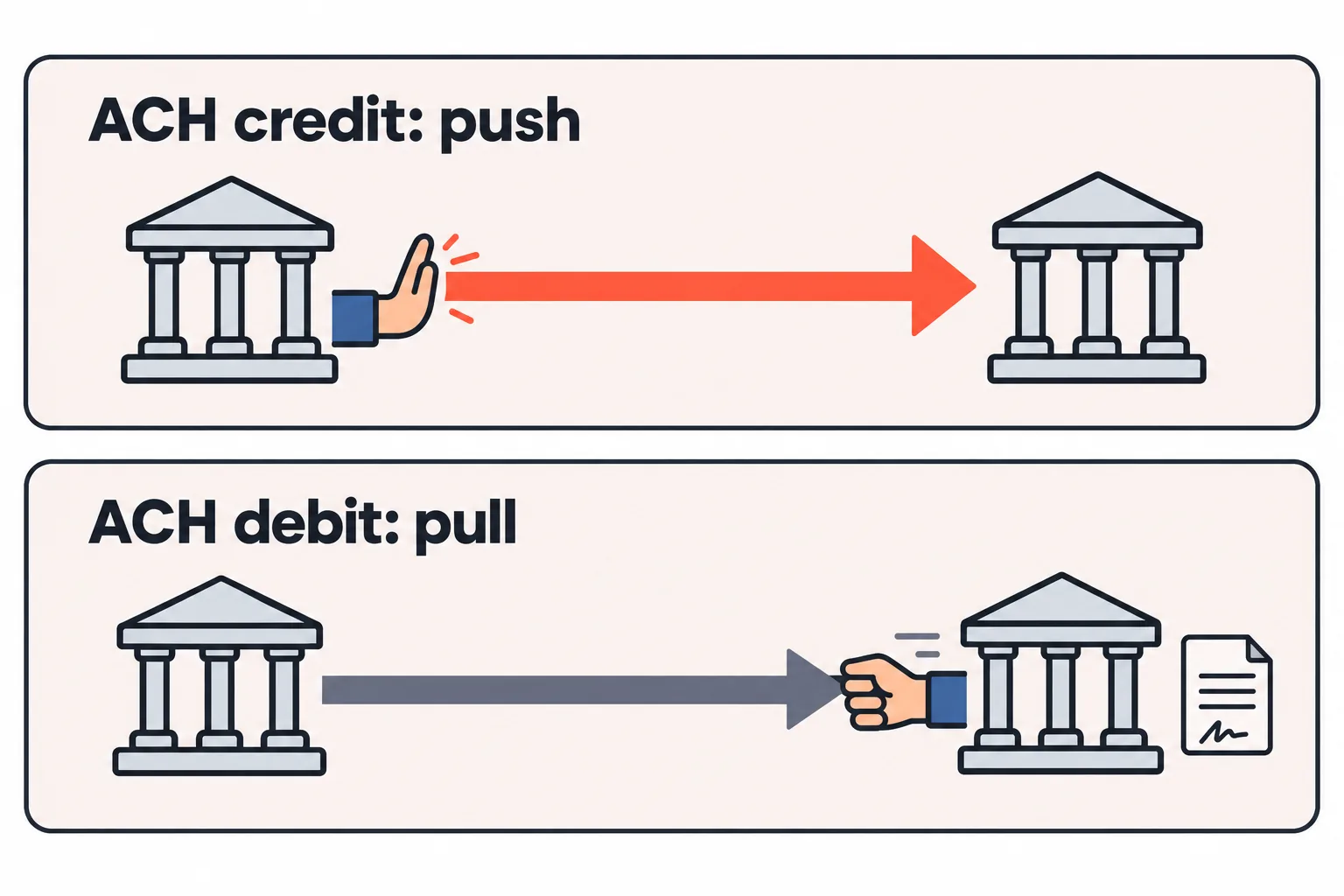
ACH moves money between bank accounts through the ACH Network. For a business paying a supplier, an ACH credit is generally the “push” payment: the buyer instructs its bank to send funds to the supplier. An ACH debit is the “pull” flow: the supplier initiates a withdrawal under an authorization. Confirm which type your bank or provider is setting up.
ACH transactions are processed on banking-day schedules. Some can settle the same day, while others settle on a later banking day; cutoffs and availability depend on the payment and provider. See Nacha’s guide to how ACH payments work for the network’s payment and settlement overview.
ACH does not use card interchange, but that does not make every ACH option free or automatically cheaper overall. Compare provider fees, reconciliation effort, payment timing, and any discount or fee tied to the vendor’s preferred method.
Cost: Who Actually Pays
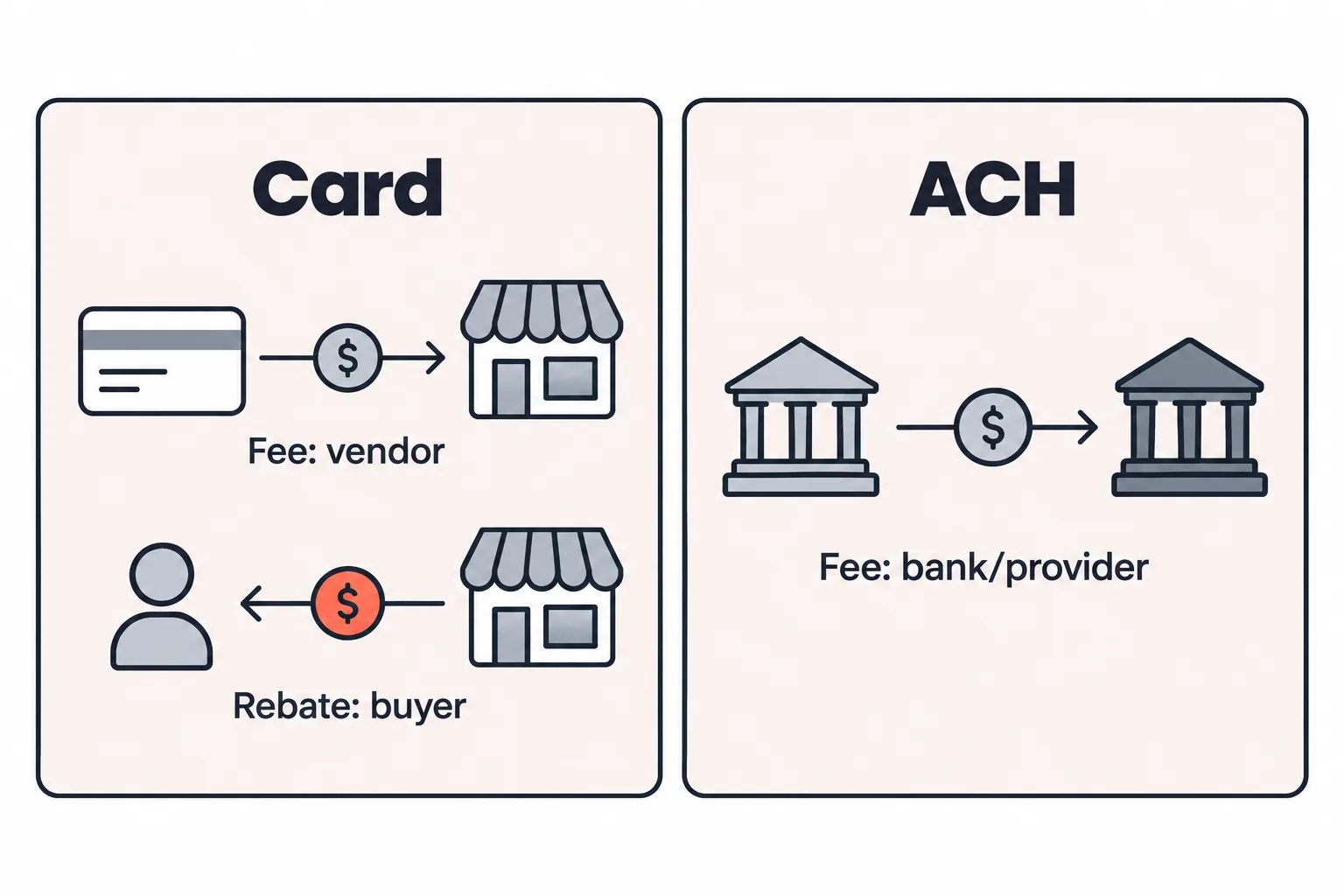
Both rails can have costs. The cost may fall on the buyer, the vendor, or both, depending on the agreement and payment program.
Virtual cards may create card acceptance costs for the vendor. The vendor’s actual processing price depends on its processor, card type, transaction setup, and agreement. In some cases, a vendor may decline card payments, offer a different price, or add a fee where permitted. Do not assume every vendor can or will accept the same virtual-card product.
ACH fees vary. A bank or provider may charge per transaction, monthly service fees, or other charges. Check the pricing for your specific account rather than assuming the fee is always a small flat amount.
Rebates depend on the card program. Some commercial-card programs return part of the card economics to the buyer as a rebate. The rebate amount and eligibility vary. A rebate is not automatically a net saving if the vendor adds a fee, changes its price, or if the card program has additional costs.
A useful comparison is: expected rebate minus any vendor fee or price increase, program fees, and the value of extra processing or reconciliation work. Use your own vendor quotes and program terms; there is no universal rebate rate that applies to every business.
Before accepting a vendor’s added card fee, confirm how it is classified and whether the network rules and local law permit it. Visa’s merchant rules and policies explain that surcharge requirements apply to eligible transactions and vary by location.
Speed: Authorization, Settlement, and Returns
A virtual-card authorization can be returned quickly, but that does not mean the supplier’s funds are instantly available. The supplier’s processor, settlement schedule, and account terms determine funding time.
ACH settlement depends on the payment type, submission time, bank cutoffs, and banking calendar. Weekends and bank holidays can affect timing. Same-day ACH may be available for eligible transactions, but it is not a real-time payment method.
An ACH payment may still be returned after it appears to have posted. The return reason and applicable rules affect timing; insufficient funds, invalid account details, and disputed or unauthorized entries do not all follow the same process. If a payment has a deadline, confirm expected delivery with your provider and leave a reasonable buffer.
Security: Different Risks, Different Controls
The question is not which rail is always safer. It is which controls fit your process and what happens if a credential or payment instruction is compromised.
Virtual cards can limit exposure when the program supports controls such as a specific vendor, amount, date range, or one-time use. Those features vary, and they do not eliminate fraud or payment disputes. Check the issuer’s terms and know how to report an unauthorized transaction.
ACH requires careful handling of bank details and payment instructions. A common business email compromise scam involves someone posing as a supplier and requesting a bank-account change. Verify every change using a phone number or contact method already on file, not contact details in the change request. The FBI’s business email compromise guidance also recommends verifying account changes with the known contact.
Write the verification process down and apply it consistently, including when a familiar vendor requests the change.
Reconciliation: Which Creates Less Cleanup
Virtual cards may simplify matching when the card program attaches a vendor or invoice reference to each payment, and your accounting system can use that information. A single-use card does not make duplicate invoices or duplicate payments impossible, so keep approval and payment controls in place.
ACH can also reconcile cleanly when the payment includes useful remittance information or invoice references, and your bank or provider passes that information through. If you combine several invoices in one payment, agree with the vendor on how the remittance details will be sent and matched.
The better fit depends on the information your accounting system receives, how your team approves invoices, and the vendor’s process, not just the payment rail.
Matching the Rail to the Vendor
Software, ad platforms, and subscriptions
A virtual card may work well when the vendor accepts it, and your program supports appropriate limits or a way to stop future charges. For recurring charges, confirm whether the card number is single-use or reusable and how replacement or expiration works.
Contract manufacturers, co-packers, and bulk inventory
ACH may be a practical choice when the vendor prefers bank transfer and the agreed cost and payment timing work for both sides. Confirm bank details through a trusted channel before the first payment and whenever payment instructions change.
Fulfillment and 3PL partners
The best method depends on invoice size, the partner’s acceptance policy, fees, and reconciliation needs. Ask directly whether it accepts virtual cards and whether any fee or processing condition applies.
New or unproven suppliers
A virtual card may help limit exposure if the supplier accepts it and your card program offers suitable controls. It is not a guarantee against loss or fraud. If you use ACH, verify the supplier and bank details before sending funds.
Contractors, freelancers, and professional services
ACH may suit recurring payments when both parties agree to it. Some contractors accept card payments; others do not. Compare the actual fees and terms before choosing.
International vendors
Do not assume a domestic ACH setup or a card program will work for every international supplier. Ask your bank or provider which cross-border ACH, card, wire, or local-transfer options are available for the destination country. Compare currency conversion, fees, delivery timing, and the supplier’s preference before you send payment.
Sort Your Vendor List in Five Steps
1. Review six to twelve months of payables and identify your largest and most frequent suppliers. Start with the relationships where payment costs or delays matter most. 2. Ask each supplier whether it accepts virtual cards, what payment methods it supports, and whether any fee or different pricing applies. 3. Confirm how virtual-card transactions will be delivered and reconciled. Ask whether the supplier needs remittance information, and check whether your accounting system can match it. 4. Use ACH where it fits the supplier’s accepted methods and your payment controls. Verify bank details and document how your team will validate future changes. 5. Review paper checks as a separate process. Electronic payments may reduce mailing and handling steps, but keep the payment method that fits the vendor, contract, and internal controls.
Revisit the list when supplier terms, payment tools, or spend patterns change.
If You Also Accept Payments From Customers
Vendor payments are the AP side of the ledger. Accepting payments from your own customers is a separate process, with different underwriting, settlement, and dispute considerations.
For subscription and recurring-billing businesses, card declines and ACH returns need different handling. Use your processor’s guidance for retries and account-update tools. Do not route a declined transaction through a second merchant account unless the acquirer has approved that setup; a secondary account should not be used to bypass a decline.
PPO’s services are on the customer-acceptance side: online payment processing, Billpay for customer invoice payments, and ACH acceptance. These pages describe ways merchants can collect payments; they do not establish that PPO issues virtual cards for vendor payments.
Mistakes Worth Avoiding
- Chasing rebates into vendor conflict. If a supplier’s fee or changed pricing outweighs the rebate, the payment method may not save you money.
- Sending ACH at the last minute. Banking days, cutoffs, and holidays can affect delivery.
- Assuming every virtual card is single-use or has the same controls. Check the specific card program.
- Skipping bank verification because a change request looks legitimate. Use a known contact method and a documented approval process.
- Assuming receivables are fine because payables are sorted. They are different workflows with different risks.
Frequently asked questions
How long does an ACH transfer take?
What does it cost a vendor to accept a virtual card?
Are virtual cards safer than ACH?
Can a vendor refuse a virtual card?
Do virtual-card rebates actually make money?
Should we still be writing checks?
If You Also Need to Accept Customer Payments
This article compares ways to pay suppliers; PPO’s services focus on helping merchants accept payments from their customers. If you need to discuss customer card or ACH acceptance, recurring billing, or payment-risk questions, contact Premier Payments Online. The team can explain what falls within its services and what depends on the acquirer or your underwriting profile.
Written by Irini Tomei, Operating Principal at Premier Payments Online, with over twenty years in high-risk merchant underwriting, gateway strategy, risk management, and compliance for businesses mainstream processors turn away.
Specifics vary by business model, acquirer, card program, and jurisdiction. Nothing here guarantees approval or any particular outcome.