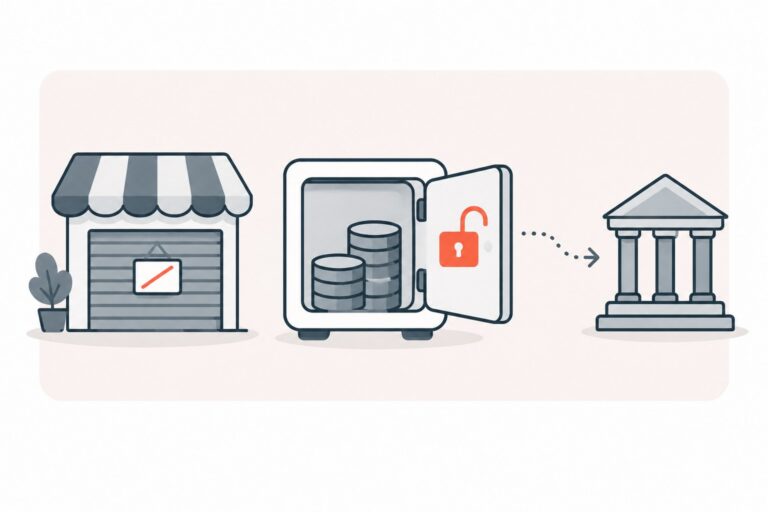
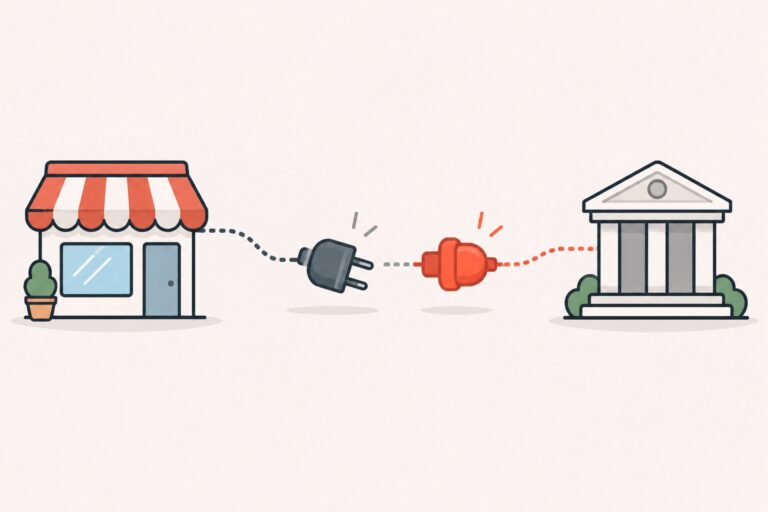
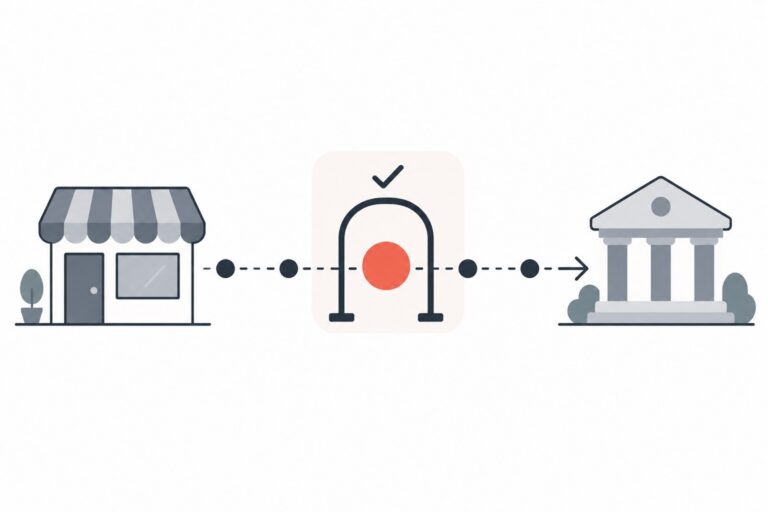
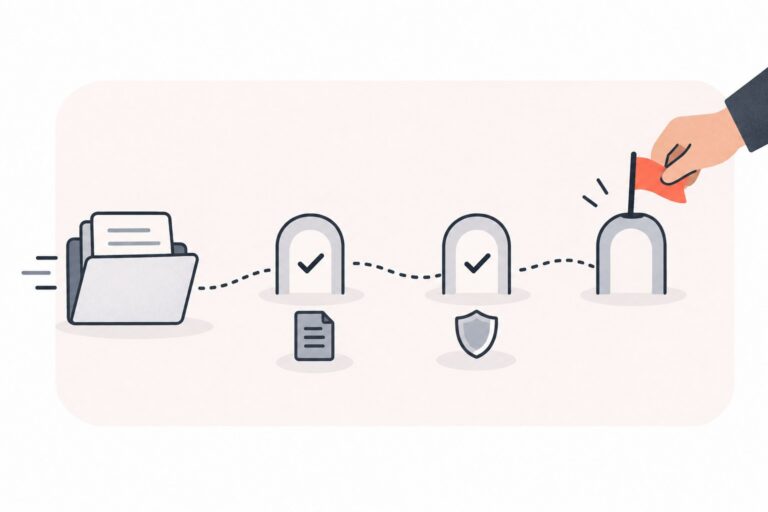
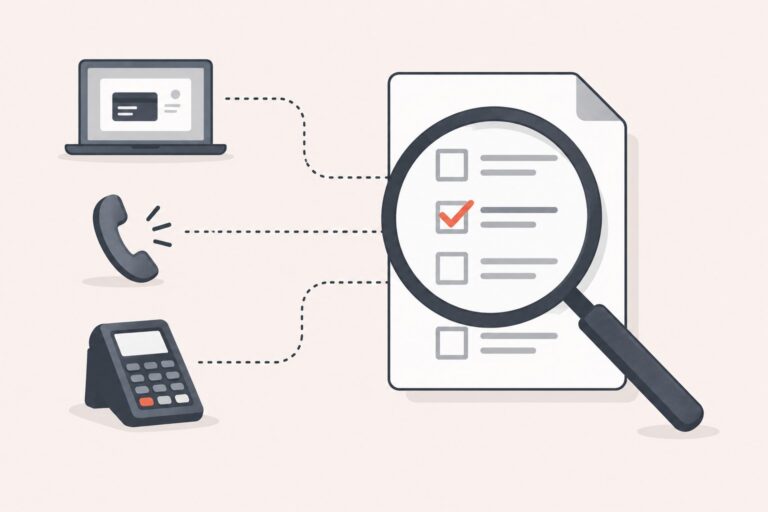
R01 means an ACH debit was returned because the receiving bank reported insufficient available funds when the debit was processed. It is different from a closed account, invalid account information, or an unauthorized debit. A merchant may be able to re-present an R01, but the number of attempts, timing, amount, and formatting must follow current ACH and processor rules.
What Does the R01 Return Code Mean?
R01 means an ACH debit was returned for insufficient funds. The customer’s bank sent your ACH debit back because the available balance did not cover it when the debit posted.
R01 points to insufficient available funds at the time of the debit; it does not, by itself, confirm that the account details or authorization are valid. The return can reverse a payment you expected to settle and may create a fee under your processor agreement.
One detail trips up a lot of billing teams: banks decide on available balance, not the balance the customer sees when they open their app. Pending card holds, a deposit that has not cleared yet, and three other subscriptions hitting the same morning all shrink what is actually spendable. An account that looks funded can still throw an R01.
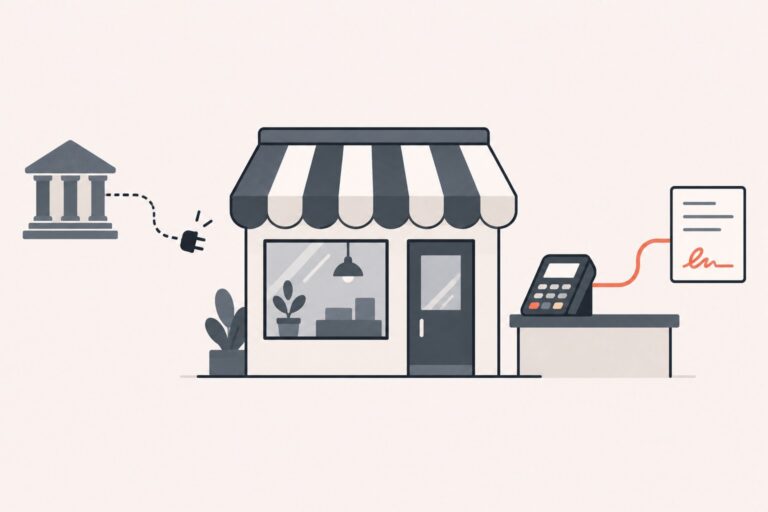
This guide is written for operators running recurring ACH debits, including subscription, e-commerce, membership, and other recurring-billing businesses. If you collect recurring payments by bank debit, it explains how to diagnose an R01 and decide whether to retry, update the payment method, or review the billing flow. For merchants comparing ACH options, PPO’s ACH debit and credit processing describes recurring billing, reporting, Same Day ACH, and fraud-verification tools.
What Is an ACH Return Code?
An ACH (Automated Clearing House) return code is a short standardized code the receiving bank or ACH operator sends back to explain why a bank-to-bank payment could not be completed. Each code starts with R and has a specific meaning.
Four parties are involved:
- You, the business asking for the money.
- Your bank or processor, which sends the request into the ACH network.
- Your customer’s bank, which decides whether to pay it.
- Your customer, whose account is being debited.
When the customer’s bank refuses the debit, it does not call you or write an explanation. It sends a code. R01 generally means that the available funds were not sufficient when the debit was processed.
An ACH return code is not the same process as a card chargeback. Some return codes involve authorization or stop-payment issues, so they require a different response from an insufficient-funds return.
For a subscription business, return codes are a diagnostic layer. They can indicate whether the likely issue involves available funds, account details, or authorization. Those problems need different responses, so treating every return as “payment failed, retry tomorrow” can increase avoidable returns.
Related readingReturned Mobile ACH Payment: Causes, Consequences & How to Handle ItRead the guide →Common reasons (with return codes): R01 – Insufficient Funds R02 – Account Closed R03 – No Account/Unable to Locate Account R29 – Corporate …Read on LinkedIn ↗
When Does an R01 ACH Return Appear?
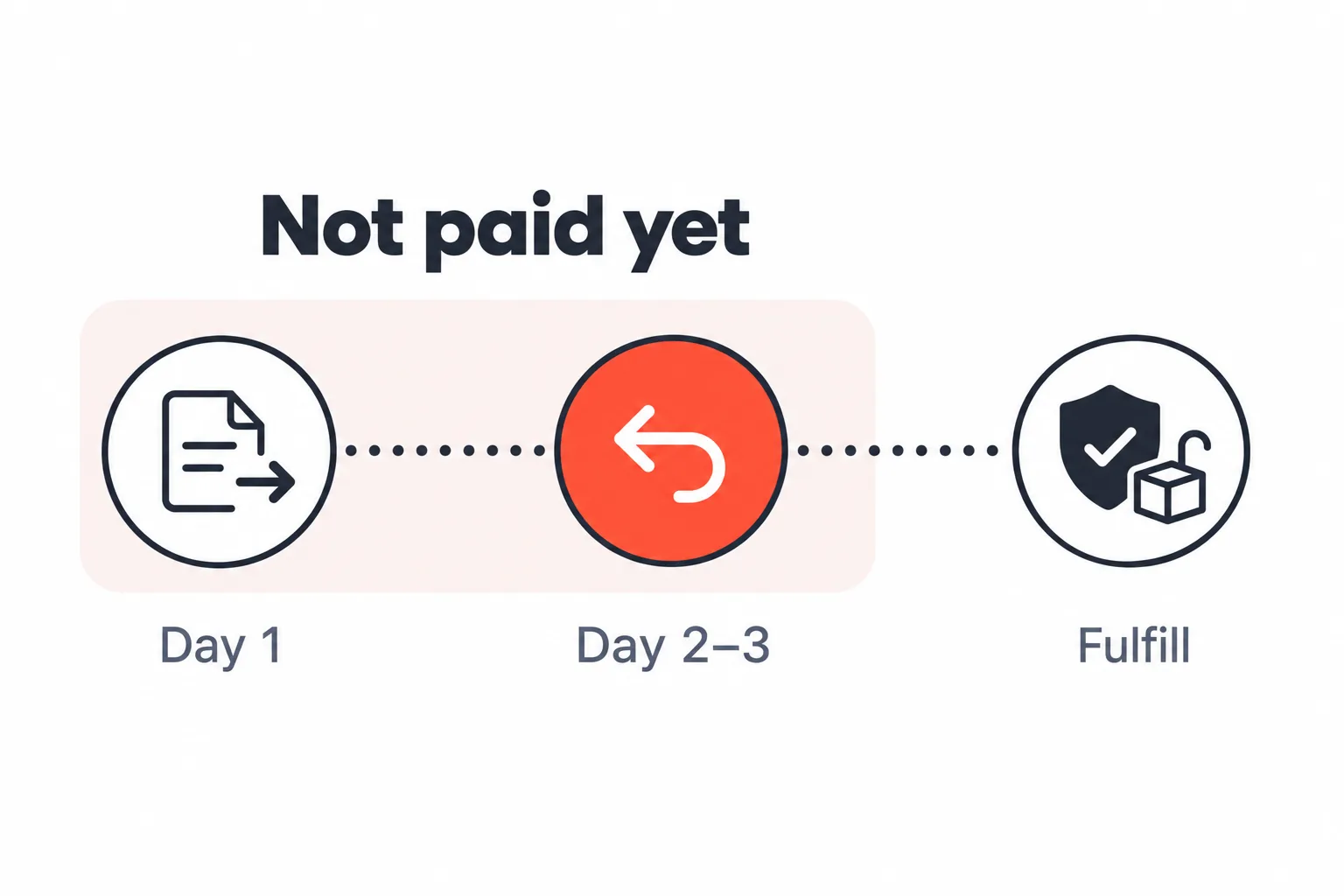
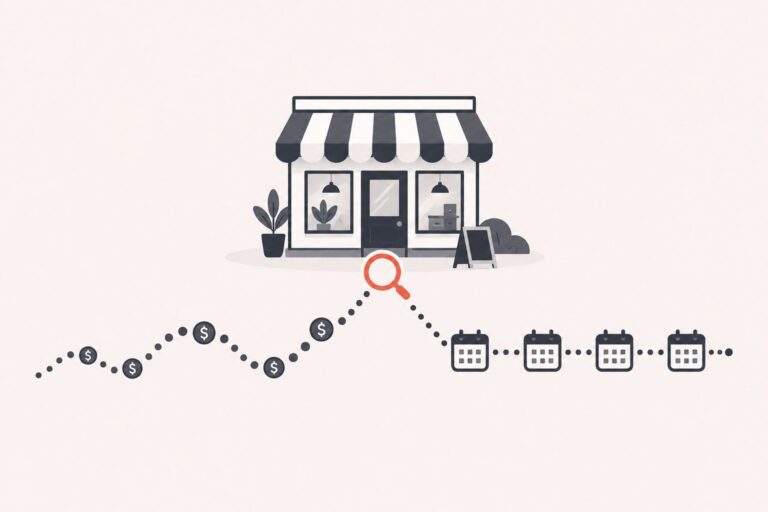
For standard ACH entries, an R01 return is generally reported within two banking days; Same Day ACH has separate eligibility and cutoff rules. Confirm the schedule with your processor.
Here is what catches subscription operators: an ACH transfer that looks successful on day one can still come back on day two or three. The customer’s bank has a limited window, measured from the settlement date of the original debit, to send an insufficient funds return back to you. Ask your processor for the exact deadline that applies to your setup, because that window is what your fulfillment timing should be built around.
Weekends, bank holidays, and submission cutoffs can extend the calendar time, so do not promise an exact return date without checking your processor’s schedule.
The practical rule for recurring billing: never treat submission as payment received. Do not ship physical product, unlock premium access, release a refill shipment, or pay affiliate commissions on an ACH debit that has not cleared its return window. Merchants who fulfill on day one and get returns on day three end up funding both the product and the return fee.
If your business model cannot tolerate that wait, that is a signal about which payment rail belongs where, which we come back to below.
Common Causes of an R01 Return
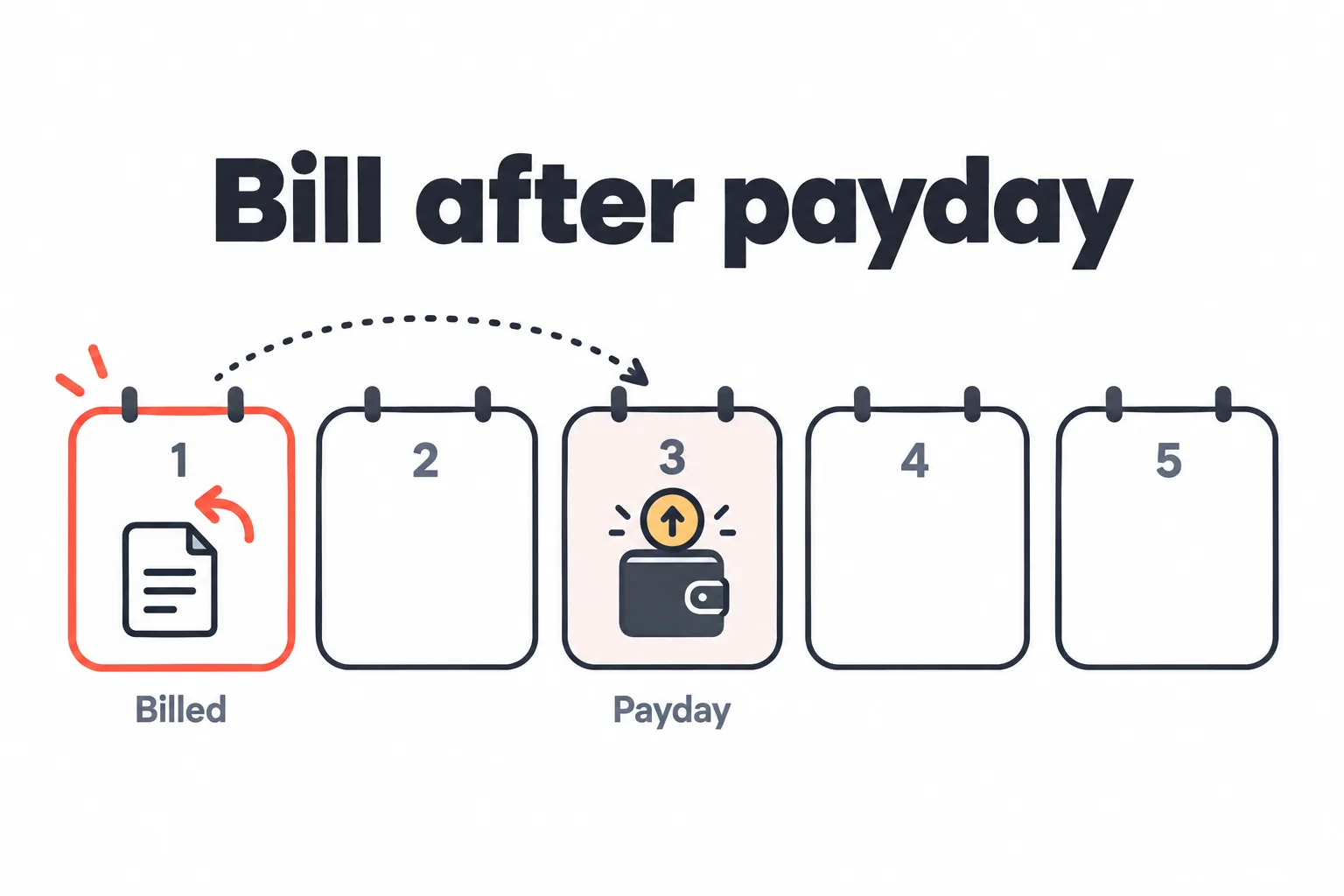
An R01 can be a temporary balance issue, but repeated R01s merit a review of the billing date, debit amount, and customer expectations. The common patterns are:
Billing date versus payday. You bill on the 1st, they get paid on the 3rd. Every month, the same handful of subscribers fail and then pay fine two days later.
Available balance eaten by holds. Pending card authorizations, a gas station hold, three other subscriptions all set to bill on the 1st. The ledger says there is money. The available balance says otherwise.
The customer moved banks or moved money. They opened a new checking account, or they now keep the balance in savings and transfer over as needed, and they never updated their billing profile with you.
A bigger charge than expected. Annual renewals, a step-up from an introductory price, or a bundle (device plus first refill shipment) that hits at three times the usual amount. A consumer checking account absorbs a $39 debit without noticing. A $468 annual renewal is a different story.
Failed card dunning that pushed people to ACH. Cards expired, so you migrated a group of subscribers to bank debit without a clear heads-up. Now they are surprised by a debit they had not mentally planned for.
High-ticket recurring programs. Coaching, wellness programs, medical weight-loss memberships, anything where the monthly amount is large relative to a normal consumer balance. These generate R01s at a higher rate, and the fix is almost always billing design, not retry logic.
R01 vs. Other ACH Return Codes: Retry or Stop?
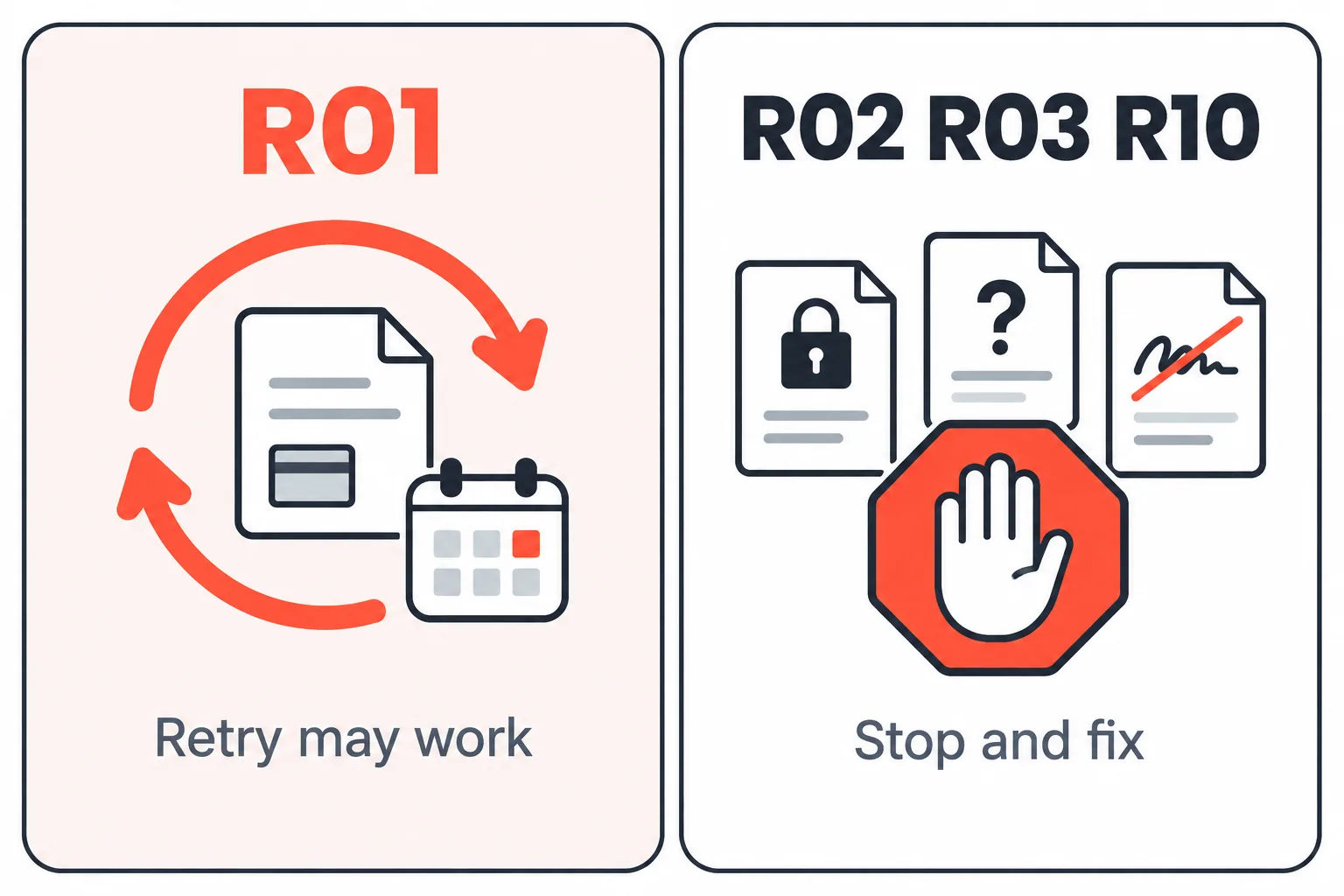
The mental model worth keeping: R01 is often a funding-timing problem that may be recoverable. Many other codes tell you to stop retrying and fix the underlying issue first.
| Code | What it means | What to do |
|---|---|---|
| R01 | Insufficient funds | Contact the customer, agree on a date, and submit again only within the permitted limits. |
| R02 | Account closed | Stop. Get new banking details or a different payment method. |
| R03 | No account / unable to locate account | Stop. Re-collect and verify the account details. |
| R04 | Invalid account number structure | Stop. Correct the data at the point of collection. |
| R07 | Authorization revoked by the customer | Stop the schedule and review authorization before any new debit. |
| R08 | Payment stopped | Do not retry until the stop-payment issue and authorization are resolved. |
| R09 | Uncollected funds | Confirm when funds are available and follow your processor’s reinitiation rules. |
| R10 | Customer advises the debit was not authorized | Stop and investigate authorization; do not treat it as a funding retry. |
| R11 | Customer says the entry did not follow the authorization terms | Review the amount, timing, and authorization before another debit. |
| R29 | Corporate customer advises the debit was not authorized | Stop and document business authorization before any further debit. |
What is an R02 return code?
R02 means the account is closed. It was a real, valid account, and the customer or the bank shut it down.
Retrying an R02 accomplishes nothing. The account will not reopen because you tried again. You need new banking details or a different payment method. A secure message explaining that the account is closed and providing a secure update path can help recover the payment without exposing bank details in ordinary email.
What is an R03 return code?
R03 means the account could not be located at the receiving institution. Confirm the routing number, account number, and account-holder details before submitting a new entry.
This is a data problem, not a money problem. Someone mistyped a digit at signup, or the details went stale. Fix it at the source: re-collect the banking information, and consider verifying account details before the first debit rather than discovering the error on cycle one.
What is an R04 return?
R04 means the account number structure does not meet the bank’s format requirements. Incorrect or incomplete account data is a common cause, but confirm the precise return detail with your processor before assuming how the error occurred. Prevention beats recovery here by a wide margin. Checking bank details at the point of collection costs you a moment at checkout. Learning about it two days later costs you a return fee, a delayed shipment, and a support ticket.
What is an R07 return code?
R07 indicates that a customer revoked previously granted authorization. A stop-payment event may appear under a different return code, so review the exact return reason before acting.
Treat R07 as a hard stop. Cancel the recurring schedule, then reach out about any outstanding balance as a separate conversation. Do not retry or set up a new recurring debit without fresh, documented permission.
What is an R29 return code?
R29 means a corporate customer advised the receiving bank that the debit was not authorized. Stop debiting, review the business agreement and bank controls, and resolve authorization before another debit. A debit block or an incorrect company identifier may be involved, but the exact cause should be confirmed with the customer and processor.
Authorization and Stop-Payment Compliance Note
For consumer preauthorized transfers, the CFPB’s Regulation E guidance addresses written or similarly authenticated authorization and a consumer’s right to stop a scheduled debit. This is separate from R01 retry eligibility: if a customer revokes authorization or places a stop payment, pause the schedule and confirm the correct next step with your processor. This article provides operational information, not legal advice.
Can You Retry an R01? Re-Presentment Rules
For R01 and R09, the ACH Rules permit reinitiation only in limited circumstances. Some processor policies allow up to two additional attempts, but current Nacha requirements and your processor’s implementation control. Confirm the permitted count and timing before you automate a retry policy.
Nacha’s reinitiation guidance requires permitted reinitiated entries to follow specific limitations, including keeping the company name, company ID, and amount consistent with the original entry. Because that page describes an archived rule change, review Nacha’s current rule updates before final publication or automation.
A few things people get wrong:
The retry has to be for the same amount as the original debit. If you want to collect a return fee, that is a separate transaction with its own rules, not a bigger version of the first one.
Return fees are not automatically collectible. You can only debit a fee where your original authorization clearly disclosed it and where state law permits it. If your terms never mentioned it, do not invent it.
Retrying the next morning may fail again if the customer’s available balance has not changed. Use an agreed date and stay within the applicable retry window instead of assuming that speed is always better.
The safer sequence is to confirm the return code, pause the schedule, contact the customer, agree on a specific date, and submit on that date. When you reach the permitted limit, stop and discuss another payment method or new authorization with the customer.
How to Recover an R01 Return
1. Read your return report every day and sort by code. R01 and R09 may go into a review-and-retry queue. R02, R03, and R04 need a data-correction path. R07, R08, R10, R11, and R29 need an authorization or stop-payment review. 2. Pause the next scheduled debit for that subscriber. Otherwise, you stack a second failure on the first and pay two return fees for one problem. 3. Message the customer with the exact amount, date, and return reason. Keep the message specific and non-accusatory, and give the customer a clear way to respond. 4. Give the customer a secure self-serve update path. Do not ask customers to send complete bank details through ordinary email. PPO’s Billpay tools for scheduled and recurring payments may be a relevant internal resource when evaluating a payment-update and reconciliation workflow. 5. Submit again on the date you agreed on, inside the permitted window. Confirm the exact rule and file format with your processor. 6. If it fails again, consider a different payment method or new authorization rather than making another attempt automatically. The correct next step depends on the processor’s rules and the customer’s consent. 7. Log every outcome by group. Compare billing dates, price points, customer segments, and acquisition sources so you can identify patterns instead of treating every return as an isolated event.
Return fees and what an R01 really costs you
An R01 costs you three things, and only one shows up on a statement.
The per-return fee from your bank or processor. Fees vary by provider and by return type, so ask what yours are before you design a retry policy.
The labor of chasing the payment. Support tickets, emails, updated payment details, someone watching a queue all add operational cost.
The churn. A failed payment can become a natural exit point for a customer who might otherwise have continued.
ACH and cards use different pricing models, but the actual cost depends on your agreement, ticket size, card mix, and risk profile. Compare total collection cost, including returns, support, and customer churn, instead of the advertised per-transaction rate alone.
The better takeaway: matching the payment rail to the customer, transaction size, and billing context can lower total collection cost, and returns belong in that calculation.
Can R01 Returns Affect Your Merchant Account?
Return-rate monitoring varies by return category, account type, and processor. Ask your processor which current thresholds and reporting rules apply to your program; do not treat R01 as an unauthorized-return code.
R01 is not an unauthorized return, but an elevated R01 trend may still matter to a processor’s broader risk review.
Confirm how your acquirer classifies and monitors it.
A processor or underwriter may review return trends alongside refunds, authorization-related returns, billing descriptors, customer complaints, and the overall risk profile of the program. The exact review criteria are provider-specific. For broader payment-risk support, see PPO’s risk and fraud management services.
Practical guardrails include capping retry attempts, suppressing accounts with unresolved data or authorization problems, telling customers the amount and date before a debit, and watching the ratio between funding returns and authorization-related returns.
How to Prevent R01 Returns in Recurring Billing
Most of the R01 problem is solved before the debit is ever submitted.
- Choose a billing date that matches the customer’s cash-flow pattern where your terms and consent allow it.
- Send a reminder a few days out with the exact amount and date. It allows the customer to move money or update the payment method before the debit.
- Verify bank details at signup instead of discovering R03 and R04 on the first cycle.
- Consider smaller authorized installments for large annual charges when they fit the product, customer expectations, and agreed billing terms.
- Use a billing descriptor the customer recognizes. For certain U.S. consumer e-commerce debits for tangible goods, Nacha’s Company Entry Description rules require the descriptor PURCHASE; the rule does not apply to every service, subscription, or business-to-business payment. Confirm whether your transaction is within scope with your processor.
- Keep a backup payment method on file only with appropriate authorization and secure handling. A card can support a bank-debit subscriber, and bank debit can support a card-first subscriber, but the customer should understand the fallback terms.
When to Switch Payment Methods After an R01
Payment routing means using rules to decide which account, processor, or payment method a transaction should use instead of sending every transaction down one path. PPO’s online payment and smart-routing solutions describe smart transaction routing, recurring billing, and multiple merchant-account capabilities.
Use your own return, approval, and customer-support data to test whether a different payment method fits a segment or ticket size. Do not assume that moving every R01 to a card will be cheaper or more successful.
For international customers, ACH is not a universal rail. Confirm which local payment methods, currencies, settlement arrangements, and compliance requirements your processor supports before promising a cross-border option.
Multiple merchant-account capabilities can create operational flexibility, but another account does not guarantee continuity or approval. Whether it makes sense depends on volume, processing history, risk profile, and what your acquirer supports.
One caution. Routing is not a way to hide a return problem. If your returns are high, spreading them across more paths does not fix anything; it just distributes the evidence. Fix the billing design first, then optimize the routing.
What Repeated R01 Returns May Reveal
Review the return pattern alongside each return.
A spike concentrated on one billing date may indicate a scheduling problem. Test a different date or offer a choice where your billing terms allow it.
A spike across one customer group or price tier may indicate a pricing, disclosure, or expectation problem. Compare what customers were told with the amount and timing they experienced.
R01s combined with rising refund requests justify a review of the offer, renewal terms, shipment cadence, and customer communications. Do not assume the return code alone identifies the root cause.
A rise in R01 alongside R07, R08, R10, R11, or R29 should trigger a review of authorization, descriptor clarity, stop-payment handling, and customer-support records.
R01 Return Code FAQs
Frequently asked questions
What does the R01 return code mean?
How long does an R01 return take to appear?
How many times can I retry an insufficient-funds ACH debit?
What is the difference between R01 and R09?
Can I charge the customer an NSF or return fee?
Is R01 the same as a chargeback?
What should a merchant do after receiving R01?
Need Help with ACH Returns and Recurring Billing?
If your return report has started trending the wrong way, or you are deciding which customers belong on card, bank debit, or another supported payment method, review the pattern before changing retry rules.
PPO’s site describes ACH processing, recurring billing, online payment, risk management, and high-risk merchant-service options. Availability depends on the acquirer, processing history, underwriting, and the specifics of the program, so this article is not a promise of approval or results.
PPO’s high-risk merchant services describe ACH merchant accounts and recurring-billing options for harder-to-place markets. Contact PPO to discuss your payment requirements and current return pattern.
Written by Irini Tomei, Principal CEO at Premier Payments Online.